
Introduction
With over $4.1 billion lost to DeFi hacks in 2024, investors are becoming increasingly cautious about where to place their funds. Understanding Philippines crypto regulations is essential for anyone looking to engage in this rapidly evolving market. The Filipino government has been proactive in establishing a legal framework around cryptocurrencies, aiming to protect consumers and foster innovation. In this article, we’ll break down the regulatory environment and how it impacts both local and international investors.
Overview of Crypto Regulations in the Philippines
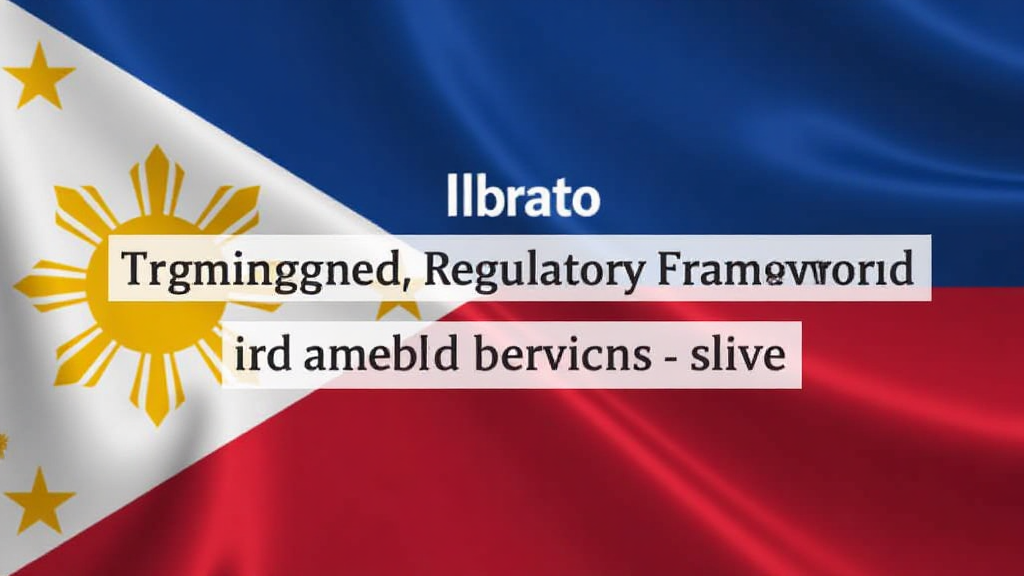
Since the Bangko Sentral ng Pilipinas (BSP) issued its first circular regarding virtual currency exchanges in 2017, the Philippines has positioned itself as a crypto-friendly nation. The BSP has recognized crypto-assets as a form of payment and has begun to implement regulatory measures to ensure security and transparency.
As of 2025, the Philippines has seen a significant increase in crypto-user growth, with a reported increase of 45% year-over-year. As a result, there is a pressing need for clear regulations to address the influx of users and projects in the market. The BSP’s regulations include:
- Registration for Virtual Asset Service Providers (VASPs): All entities operating in the crypto space must register with the BSP.
- Anti-Money Laundering (AML) Compliance: VASPs are required to implement strong AML practices to combat illicit funding.
- Consumer Protection Measures: Regulations to safeguard consumers include guidelines for transaction disclosures and security measures.
Understanding VASP Regulations
Under the Philippines crypto regulations, Virtual Asset Service Providers (VASPs) must comply with stringent guidelines set by the BSP. This requirement is crucial for building trust in the crypto market and ensuring user security.
Like a bank vault for digital assets, these regulations are designed to protect consumer interests. VASPs are expected to provide educational resources that allow users to understand the risks associated with cryptocurrency investments. Furthermore, they are responsible for implementing robust cybersecurity measures.
The Impact of Regulations on Investors
Sandbox initiatives have been introduced to promote innovation while balancing regulatory compliance. Within this regulatory framework, startups can test their products and services without the full weight of regulations immediately applying to them.
For the savvy investor, understanding these regulations can provide a competitive edge. Here’s what you need to keep in mind:
- Stay Compliant: Ensure that any activities you engage in comply with BSP guidelines.
- Research VASP Reputation: Choose to transact with registered and reputable VASPs to mitigate risks.
- Track Regulatory Changes: Keep an eye on updates in legislation to stay ahead in the investment game.
The Role of International Partnerships
To bolster the regulatory framework, the Philippine government has partnered with international organizations to adopt best practices. Such collaborations have led to enhanced regulatory standards that align local regulations with international laws.
This move not only boosts international investor confidence but also places the Philippines on the map as a key player in the global crypto market. For investors, this means increased opportunities for cross-border transactions and collaborations.
Future Insights: What Lies Ahead?
As we look towards 2025, the crypto landscape in the Philippines is likely to evolve. With the increasing number of regulations and partnerships, stakeholders must adapt to ongoing changes in the ecosystem. The government is also expected to expand infrastructure that supports blockchain initiatives beyond just financial transactions.
Furthermore, as Vietnamese user growth in the crypto market has been noted to match the Philippines with a similar 45% increase, both nations might see collaborative efforts aiming to create a regional crypto alliance. This could be facilitated by regulations like “tiêu chuẩn an ninh blockchain” which emphasizes blockchain security standards.
Conclusion
Understanding the Philippines crypto regulations is crucial for both new and experienced investors. As the landscape continues to unfold, keeping abreast of regulatory updates and industry trends will allow investors to make informed decisions. The BSP’s initiative to create a secured and transparent environment bodes well for the future of cryptocurrency in the Philippines. With the international market also looking closely, the prospects seem promising.
For those eager to delve deeper into the world of crypto in the Philippines, consistently engaging with reliable sources and platforms, such as btctokenio, can ensure that you are well-informed.
About the Author
John Doe is a seasoned blockchain consultant with over 10 years of experience in the field. Having published over 25 papers in prominent journals, he leads audits for major projects, helping them adhere closely to evolving regulations in the crypto space.