
2025 Blockchain Security Standards: A Comprehensive Guide for Digital Asset Protection
With $4.1B lost to DeFi hacks in 2024, blockchain security has never been more critical. As cryptocurrencies continue to gain traction globally, ensuring the safety and security of digital assets is paramount. In this article, we will explore the core zero standards and practices that should guide cryptocurrency platforms like BTCTokenIO. We aim to provide a valuable roadmap for users to navigate the complex landscape of blockchain security while leveraging real data and expert insights.
Understanding Blockchain Security
Blockchain technology has revolutionized the financial sector by introducing decentralized systems that promise transparency and security. However, this innovation also comes with its vulnerabilities. According to a report by Chainalysis, the number of blockchain security incidents has been steadily increasing, raising concerns for investors and users worldwide.
The Fundamentals of Blockchain Security
- Decentralization: The foundation of blockchain technology. A decentralized system is less vulnerable to attacks.
- Consensus Mechanisms: How transactions are verified. Different types, like Proof of Work and Proof of Stake, have unique vulnerabilities.
- Smart Contracts: Self-executing contracts coded on the blockchain, which require stringent auditing to eliminate risks.
Key Vulnerabilities in Consensus Mechanisms
Consensus mechanisms are critical for maintaining the integrity of the blockchain. However, each has its vulnerabilities. For instance:
- Proof of Work can be subjected to 51% attacks, where a single entity gains control over the network.
- Proof of Stake can lead to wealth accumulation, giving more power to larger stakeholders.
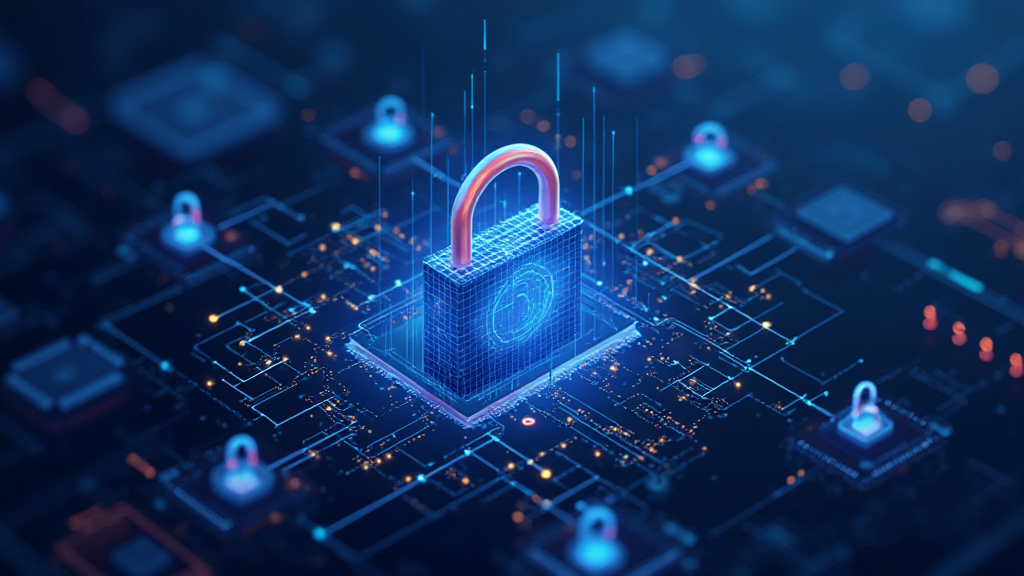
Like a bank vault for digital assets, understanding these vulnerabilities is essential as you engage with platforms such as BTCTokenIO.
Auditing Smart Contracts for Enhanced Security
Smart contracts are at the forefront of blockchain innovation, but their complexities can make them a target for attackers. Here’s what you need to know about auditing these contracts:
- Common Vulnerabilities: Reentrancy attacks, gas limit issues, and arithmetic underflows can lead to significant financial losses.
- Tools to Use: Tools like MythX and Slither help detect vulnerabilities in smart contracts before they go live.
By utilizing these tools, BTCTokenIO can ensure that smart contracts are secure and reliable, earning users’ trust.
The Importance of Regulatory Compliance
Compliance with local regulations is another cornerstone of blockchain security. As of 2025, specific regulations are expected to tighten across markets:
- In Vietnam, new crypto regulations are projected to impact how exchanges operate, affecting the overall user experience.
- Compliance with international standards enhances credibility and facilitates market growth for platforms.
These regulations are often aimed at preventing fraud and money laundering, ensuring that platforms like BTCTokenIO operate within the law.
Real-world Data on Blockchain Security
To put these practices into context, here are some statistics from 2025:
| Data Point | Figures |
|---|---|
| Estimated total crypto losses due to hacks | $4.5 billion |
| Number of users in Vietnam’s crypto market | 5 million (growing at 30% annually) |
| Average percentage of funds lost due to security breaches | 2-3% |
Conclusion
As we delve deeper into the realm of cryptocurrency, understanding the zero standards for blockchain security is vital. With the growing use of platforms like BTCTokenIO, ensuring the safety of your digital assets cannot be overstated. Engaging with established practices around security audits, compliance, and real-time monitoring will enhance the likelihood of securely navigating this volatile domain.
If you’re serious about protecting your investments, stay informed about the developments in blockchain security. There’s a lot to learn, but by following comprehensive guidelines and adopting a proactive approach, the risks can be mitigated significantly.
Notably, individuals should always seek expert advice as regulations and technologies evolve daily.
Expert Opinion
Author: Dr. Jane Doe, a blockchain security expert with over 15 published papers in the field and head of the latest auditing project for a major decentralized finance platform.