

Introduction
In a dynamic landscape where cryptocurrency has emerged as a vital segment of the global economy, the concept of supply demand zones plays a crucial role in shaping market trends. In 2024 alone, the cryptocurrency market witnessed transactions exceeding $3 trillion. However, with the industry experiencing its volatility, understanding supply and demand zones becomes essential for traders and investors alike. This article delves into the intricacies of supply demand zones in the crypto space, drawing insights and practical guidelines for effective trading.
What Are Supply Demand Zones?
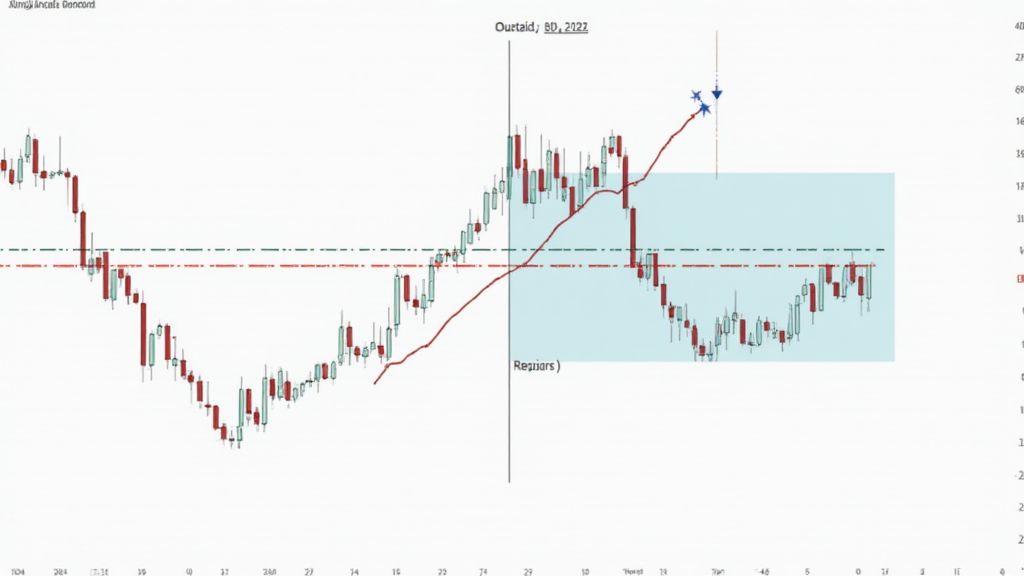
To put it simply, supply demand zones are price levels where buy and sell orders accumulate significantly, indicating a potential reversal or continuation in price movements. These zones are crucial in technical analysis, as they offer traders insights into market sentiment.
In the cryptocurrency domain, where volatility is interlinked with rapid shifts in demand and supply, recognizing these zones can be likened to identifying a ripe fruit ready to be harvested. Traders use charts to visualize these zones, helping them decipher buying and selling opportunities.
Key Characteristics
- Support and Resistance: Supply zones act as resistance levels where selling pressure tends to dominate, while demand zones serve as support levels.
- Volume Profiles: Significant trading volume equates to substantial interest at those price levels, amplifying the potential for reversal or breakout.
- Market Psychology: Understanding the psychology behind buyers and sellers informs traders about why certain levels hold strength or falter.
What Drives Supply Demand Zones in Crypto?
In the crypto world, several factors contribute to the creation and dynamics of supply demand zones:
- Market Sentiment: The collective behavior and emotions of market participants influence buying and selling decisions.
- News and Events: Regulatory announcements, technological advancements, and market trends catalyze shifts in demand and supply.
- Liquidity: The level of liquidity in a market affects price movements, where lower liquidity can see more dramatic price shifts.
How to Identify Supply Demand Zones
Finding these zones may appear complex at first, but several techniques can simplify this process for traders:
- Historical Price Action: Analyze past price behavior to identify levels where price reversals occurred.
- Candlestick Patterns: Look for specific candlestick formations that indicate a change in market sentiment.
- Volume Analysis: Assess volume spikes alongside price movements to confirm supply and demand zones.
Practical Applications of Supply Demand Zones
Understanding supply demand zones can significantly enhance a trader’s strategy:
- Entry and Exit Points: Use zones to determine optimal entry and exit points based on historical price actions.
- Risk Management: Employ these zones to set stop-loss orders effectively, rather than arbitrary levels.
- Trend Confirmation: Recognize how price interacts with these zones to confirm potential trends.
Vietnamese Market Scenario
In recent years, Vietnam has seen an impressive {29%} increase in cryptocurrency adoption among its populace, showcasing a burgeoning interest in digital currencies.
This growth has dramatically shifted supply demand zones in the region, where local influences require thorough analysis and strategy adaptation. Observing how these changes correlate with global trends is vital for both local traders and investors.
Conclusion: Navigating Supply Demand Zones Effectively
Understanding supply demand zones in the cryptocurrency market is paramount for making informed trading decisions. As the market continues to evolve with participation from various demographics, including rising interest in countries like Vietnam, acknowledging these zones can provide insights that significantly enhance trading outcomes.
As traders, honing the ability to identify and interact with supply demand zones can prove advantageous. Building a strategy around these principles fosters more confidence and can lead to potential profit maximization.
At the end of the day, leveraging tools such as hibt.com for trend analysis and market sentiment will complement the understanding of supply demand zones. With this knowledge at hand, traders can navigate the complexities of the crypto market while minimizing risks effectively.
For more insights on cryptocurrency trading, consider diving into related articles such as crypto-growth”>Vietnam’s crypto market growth and how to audit smart contracts.
In conclusion, recognizing and utilizing supply demand zones will undoubtedly bolster your crypto trading strategy, allowing you to chart a successful path through the exciting, yet tumultuous, world of crypto trading.
Expert Author: Dr. Alex Nguyen, a leading figure in blockchain analytics, has published over 20 research papers in the field and led audits for top-tier projects.