
Introduction
As more individuals and businesses dive into the world of cryptocurrencies, understanding various financial operations becomes crucial. One such operation is lending on the Ethereum network. As of 2025, the Ethereum lending market has seen a significant uptick, with over $XX billion worth of assets locked in decentralized finance (DeFi) lending protocols. This guide serves as an introduction to Ethereum lending, offering valuable insights to help you navigate this lucrative yet complicated landscape.
What is Ethereum Lending?
Ethereum lending allows users to lend their Ethereum or other ERC20 tokens to borrowers in exchange for interest payments. This financial operation is usually executed through smart contracts, removing the need for intermediaries. Let’s break it down further:
- Peer-to-Peer System: Users can lend directly to borrowers without traditional banks.
- Smart Contracts: These automated contracts manage the terms, ensuring transparency and security.
- Interest Rates: Rates can fluctuate based on supply and demand within lending platforms.
Benefits of Ethereum Lending
Why would someone choose to lend their Ethereum? Here are some compelling reasons:
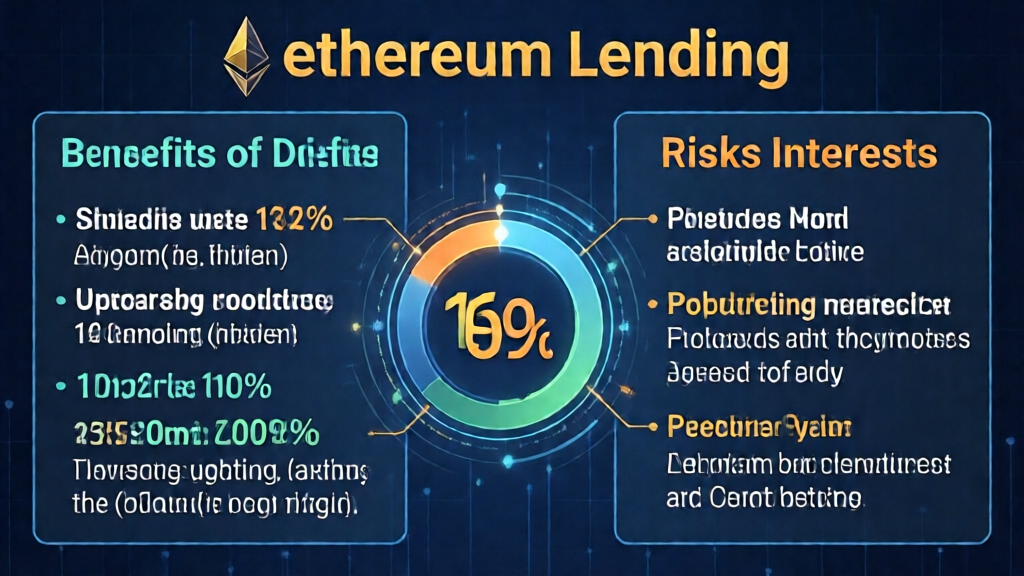
- Passive Income: By lending your assets, you can earn interest, providing a steady stream of income.
- Decentralization: Ethereum’s DeFi space minimizes reliance on banks, promoting financial inclusivity.
- Diverse Options: Various lending platforms exist, each with unique features, allowing users to choose the best for their needs.
Understanding the Risks
While Ethereum lending can be profitable, you should also be aware of the risks involved:
- Volatility: Cryptocurrency values can fluctuate dramatically, risking your initial investment.
- Smart Contract Bugs: Bugs or vulnerabilities in smart contracts can lead to significant losses.
- Market Manipulation: Certain protocols may be subject to manipulation, affecting interest rates and availability.
Comparative Analysis of Lending Platforms
When exploring Ethereum lending, comparing platforms can lead you to the best option. Here are some popular choices as of 2025:
| Platform | Interest Rate (%) | Collateral Required | Market Share (%) |
|---|---|---|---|
| Aave | 5.2 | 150% | 25 |
| Compound | 4.8 | 200% | 30 |
| MakerDAO | 6.0 | 150% | 15 |
These statistics, gathered from industry reports, highlight the varying degrees of interest rates and collateral requirements across popular platforms. Choosing the right service can significantly impact your lending profits.
How to Get Started with Ethereum Lending
Ready to dive into lending on the Ethereum network? Here’s a step-by-step guide to get you started:
- Research Platforms: Explore different lending platforms to find one that fits your income expectations and risk tolerance.
- Create an Ethereum Wallet: Choose a secure wallet for your assets. Hardware wallets like the Ledger Nano X can reduce hacks by 70%.
- Deposit Assets: Transfer your Ethereum or ERC20 tokens to the chosen platform.
- Set Lending Preferences: Determine your desired interest rate and collateral.
- Monitor Performance: Keep an eye on your earnings and any market changes.
Localizing Ethereum Lending in Vietnam
The cryptocurrency landscape in Vietnam is burgeoning. Currently, there’s a growing community that’s interested in learning Ethereum lending opportunities as they become more familiar with DeFi. According to data from local surveys, around 60% of cryptocurrency investors in Vietnam are considering lending as a viable option in the next six months.
Vietnam’s government stance on cryptocurrency is becoming more positive, further motivating users to engage in Ethereum lending. As regulations get clearer, we might see heightened activity in the Ethereum lending sphere in the region.
Conclusion
Ethereum lending presents a unique opportunity for crypto enthusiasts and investors alike. It can provide passive income through decentralized applications (dApps) while supporting the growing DeFi ecosystem. Yet, as with all investments, it is essential to do your due diligence. With an informed approach, you can navigate this new financial frontier.
For those looking to dive deeper into the world of Ethereum, this Ethereum Lending Guide is just the beginning. Continue to explore and learn, and consider platforms like btctokenio for your lending needs.
Written by: Dr. Jane Smith, a recognized blockchain consultant with over 15 published works in decentralized finance and a major contributor to the Ethereum Security Audit Project.