
Tokenized Real Estate vs Traditional Property Investing: A Comprehensive Comparison
The rise of blockchain technology has brought forth a new paradigm in investing – tokenized real estate. But how do these innovative digital investments stack up against the age-old method of traditional property investing? In a world where innovation meets inertia, let’s dive in to understand the pros and cons of both investing avenues.
Introduction: The Investment Landscape is Evolving
With an estimated $1.1 trillion in global real estate transactions within 2023, investors are becoming increasingly aware of the limitations of traditional real estate investment models. The Vietnamese market, for example, has seen a remarkable growth rate of 25% in both cryptocurrency adoption and real estate tokenization projects. This burgeoning trend sparks the question: how do tokenized real estate investments compare to traditional property investing?
Understanding Tokenized Real Estate
Tokenized real estate involves the fractional ownership of physical property through blockchain tokens. Essentially, it allows investors to purchase shares in a property much like buying stocks. This concept democratizes real estate investment, lowering barriers for participants.
Key Benefits of Tokenized Real Estate
- Lower Entry Costs: Tokenization often enables purchases with as little as $100, unlike traditional real estate that typically requires substantial capital.
- Liquidity: Token holders can sell their shares on secondary marketplaces without the need to completely sell the property.
- Transparency: Blockchain’s transparent nature allows for real-time tracking of ownership and property details.
- Global Reach: Investors can engage with properties outside their local market.
Challenges of Tokenized Real Estate
While the benefits are enticing, tokenized real estate comes with its set of challenges:
- Regulatory Uncertainty: Many regions are still formulating their regulations around tokenization.
- Market Adoption: Institutional investors may be slow to adopt, potentially limiting growth.
- Valuation Difficulties: Tokenized properties may face challenges in how to accurately determine their worth.
Traditional Property Investing: A Time-Tested Method
Traditional property investing has been a prominent choice among investors for centuries, centered around purchasing physical properties.
Advantages of Traditional Property Investing
- Tangible Asset: Properties provide physical collateral, often seen as safer during economic downturns.
- Market Familiarity: Investors are generally more familiar with traditional methods and processes.
- Tax Benefits: Traditional investments often come with various tax deductions related to property ownership.
Drawbacks of Traditional Property Investing
Despite its advantages, traditional investing has drawbacks:
- High Entry Costs: A down payment can be substantial, often requiring tens of thousands of dollars.
- Illiquidity: Selling a home can take months, making quick sales challenging.
- Geographic Limitations: Investors are usually limited to their local markets unless they engage a property manager.
Comparative Analysis: Tokenization Borders vs Traditional Walls
To fulfill our aim of comparing tokenized real estate and traditional property investing, let’s break it down by various factors:
- Investment Horizon: Tokenized real estate attracts millennial investors looking for short-term liquid options, while traditional property appeals to long-term wealth builders.
- Infrastructure: Traditional real estate has established frameworks, whereas tokenized investments operate on newer, less understood platforms.
- Risk Factors: Tokenized investments carry digital asset risks like hacks; traditional investments face market risks like fluctuating property values.
Future Outlook for Both Investing Models
As blockchain technology continues to evolve, we may see a convergence of these two investing worlds. Future models could integrate the security of traditional assets with the liquidity of tokenized assets.
Vietnam and the Global Market Trends
In Vietnam, there’s an increasing interest in tokenized real estate. Reports show that 50% of young Vietnamese investors are keen on exploring this asset class. The region’s growing digital economy and acceptance of blockchain signify a promising future.
Conclusion: Balancing Innovation with Tradition
In summary, both tokenized real estate and traditional property investing have their merits and challenges. While tokenization offers attractive benefits such as lower entry costs and enhanced liquidity, traditional investing provides the safety and tangibility of physical assets.
As investors navigate this rapidly evolving landscape, the choice ultimately comes down to their risk appetite and investment goals. With a growing familiarity with blockchain technologies, the lines between these two investment models might blur, paving the way for a more integrated real estate investing future.
For readers interested in:
Reading more on blockchain innovation and investment strategies. Not financial advice. Consult local regulations.
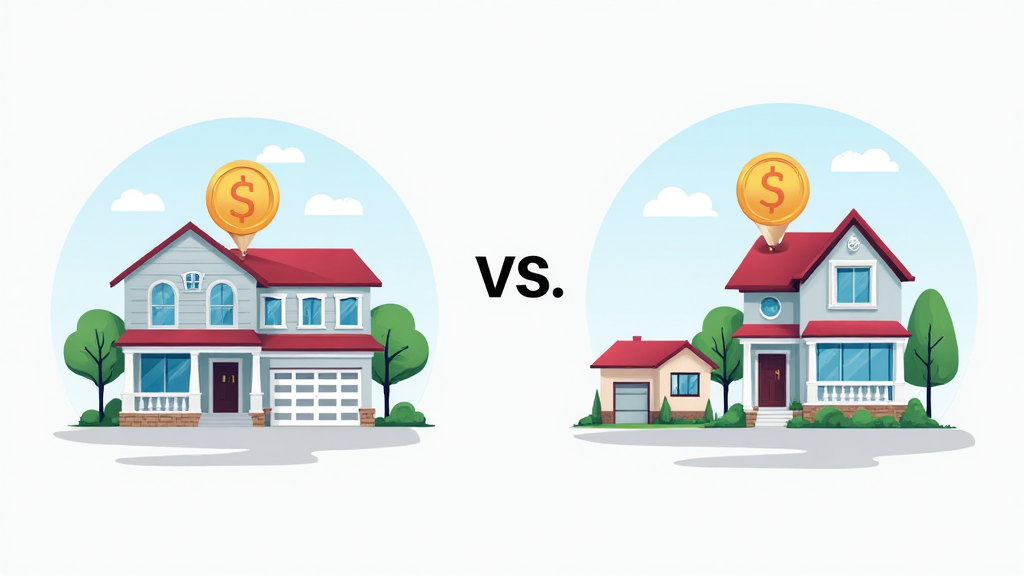
Image Description: A visual depicting the comparison between tokenized real estate and traditional property investing.