
Stablecoin Use Cases in Southeast Asia: Opportunities & Challenges
With the cryptocurrency market rapidly evolving, stablecoins have emerged as a focal point due to their ability to bridge the gap between traditional finance and the digital currency landscape. In 2024 alone, Southeast Asia witnessed a staggering growth of 20% in cryptocurrency adoption, with stablecoins taking center stage. Understanding the various stablecoin use cases in SEA can help investors and businesses capitalize on this opportunity and navigate the challenges that arise.
What Are Stablecoins?
Stablecoins are cryptocurrencies pegged to stable assets such as fiat currencies (like the US dollar), commodities, or other cryptocurrencies. Unlike Bitcoin, which is known for its volatility, stablecoins provide a secure means for transactions, holding value, and transferring funds.
Stablecoin Use Cases in Southeast Asia
Here’s a closer look at how stablecoins are transforming various sectors in Southeast Asia:
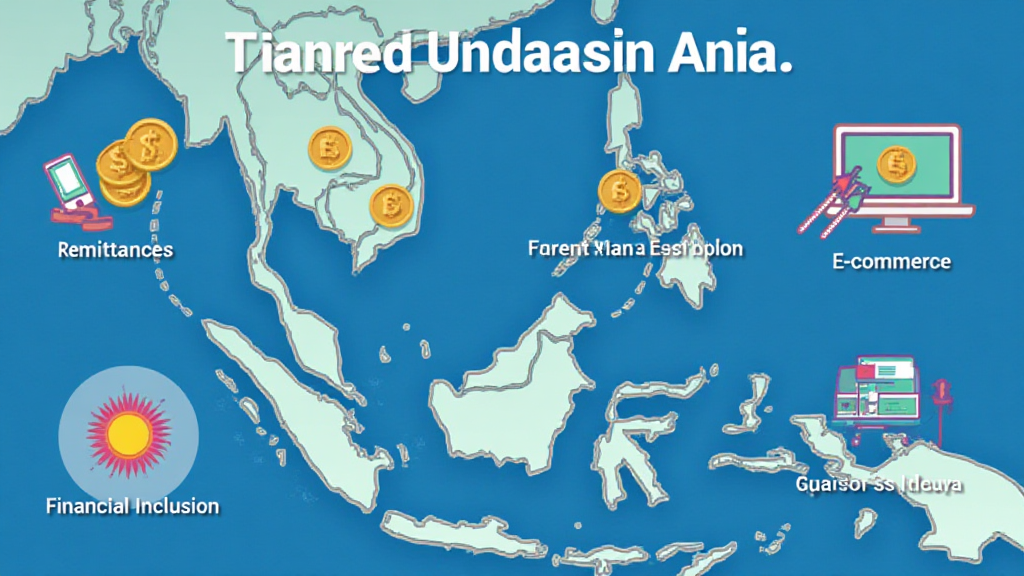
1. Cross-Border Remittances
- Cost Efficiency: With traditional remittance services charging high fees, using stablecoins offers a more economical approach. For instance, in Vietnam, the average cost of remittances can be around 7%, while stablecoin transfers might cost less than 1%.
- Speed: Transactions can be completed almost instantly, whereas traditional methods may take several days.
- Accessibility: Stablecoins enable users in remote areas to send and receive money without needing a traditional bank account.
2. E-Commerce Integration
With the explosive growth of e-commerce in Southeast Asia, stablecoins can streamline payment processes. For online retailers, accepting stablecoins as payment can reduce transaction fees, provide faster processing times, and minimize chargebacks.
3. Financial Inclusion
In countries like the Philippines and Indonesia, a significant portion of the population remains unbanked. Stablecoins can serve as an entry point for individuals and small businesses to access financial services. For example, peer-to-peer lending platforms can utilize stablecoins to offer loans without the barriers typically posed by traditional banking.
4. Hedging Against Inflation
In economies experiencing high inflation, such as Venezuela or Turkey, stablecoins provide a way for consumers to protect their purchasing power. Southeast Asia, while more stable, still faces economic uncertainties, making stablecoins a potential hedge against local currency depreciation.
5. Decentralized Finance (DeFi)
Stablecoins play a crucial role in the DeFi ecosystem, allowing users to lend, borrow, and earn interest on their holdings. Platforms like Hibt.com have begun developing DeFi solutions using stablecoins to foster a trusted environment for investment.
Challenges of Stablecoin Adoption in Southeast Asia
Despite the promising use cases, several challenges may hinder the widespread adoption of stablecoins:
1. Regulatory Concerns
- Each country has its own regulations regarding cryptocurrency, leading to uncertainty for users and businesses. For example, Vietnam’s laws on cryptocurrency are still evolving, creating confusion for potential adopters.
2. Technological Limitations
- While blockchain technology is robust, not all platforms currently support stablecoin transactions efficiently, particularly in rural areas with limited internet connectivity.
3. Market Volatility Perception
- Despite being relatively stable compared to other cryptocurrencies, public skepticism around the stability of stablecoins can hinder user confidence. This perception needs to be addressed through better education about how stablecoins work.
4. Security Risks
- With valuable assets at stake, users are often at risk of hacks and scams. Therefore, utilizing secure wallets and ensuring compliance with tiêu chuẩn an ninh blockchain are vital for protecting user assets.
Future Outlook for Stablecoins in Southeast Asia
The future of stablecoins in Southeast Asia looks promising as more sectors begin to recognize their potential. According to a report by Chainalysis, the value of stablecoins held in Southeast Asia is projected to double by 2025.
Calling for Cohesive Regulation
For stablecoins to thrive, a cohesive regulatory framework across Southeast Asia is essential. Governments should work towards establishing guidelines that encourage innovation while safeguarding users.
Educating the Public
Public awareness and education will be crucial in overcoming skepticism related to cryptocurrencies and stablecoins. Continuous engagement through workshops, webinars, and informational campaigns could demystify the technology.
Conclusion
In summary, the stablecoin use cases in Southeast Asia offer tremendous opportunities for economic growth, financial inclusion, and technological advancement. However, overcoming the challenges related to regulation, technology, and education will be crucial. As we look toward the future, collaboration between governments, technology providers, and the crypto community will pave the way for a thriving stablecoin ecosystem.
Learn more about stablecoins and how they can benefit your financial goals.
Author: Dr. Nguyen Tran, a blockchain expert with over 15 published papers in cryptocurrency technology and a lead auditor for several high-profile fintech projects.