

Introduction
With an alarming $4.1B lost to DeFi hacks in 2024, it’s clear that crypto wallet security best practices are more critical than ever. As digital assets gain popularity, ensuring the security of your crypto wallet must be a top priority. In this guide, we’ll explore vital strategies that can protect your digital assets effectively while considering the local context in Vietnam, where user adoption continues to soar.
Understanding Crypto Wallets
Before diving into security practices, it’s essential to understand the different types of crypto wallets available today. Each wallet type offers varying levels of security and convenience.
- Hot Wallets: These wallets are connected to the internet. They are convenient for frequent transactions but are more susceptible to hacks.
- Cold Wallets: Cold wallets, like hardware wallets (e.g., Ledger Nano X), store crypto offline, enhancing security significantly. They are recommended for long-term storage.
- Paper Wallets: Printed QR codes and keys stored offline also provide isolation from online threats but can be lost or damaged.
Best Practices for Enhancing Security
Like a bank vault designed to safeguard physical assets, your crypto wallet needs robust protection mechanisms. Below are key security practices that you can implement.
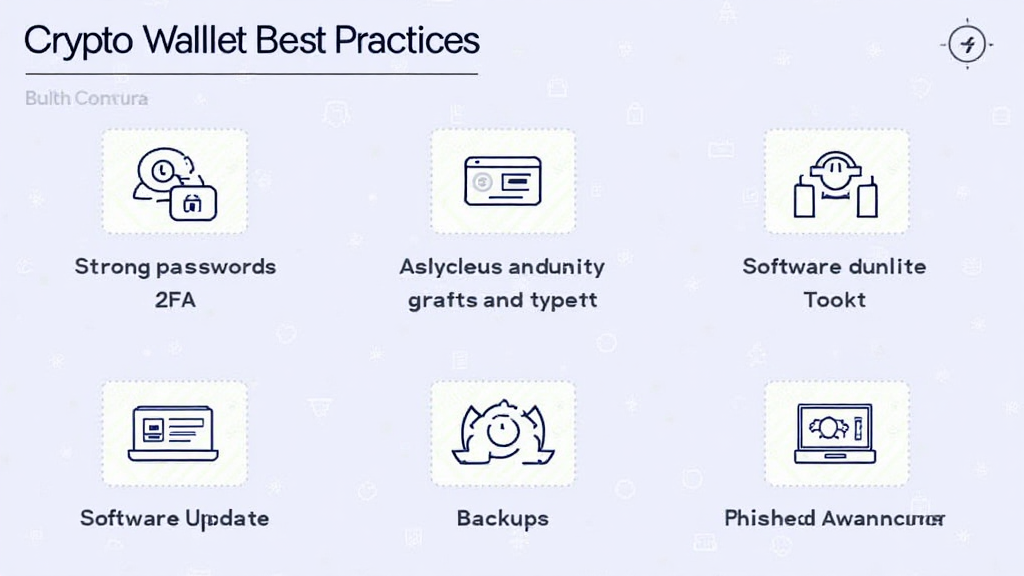
1. Use Strong Passwords and 2FA
Always create complex passwords that combine letters, numbers, and symbols. Moreover, enable Two-Factor Authentication (2FA) for an added layer of security. This creates a second verification step when logging into your wallet.
2. Research Wallet Providers
Select reputable wallet providers that prioritize security. Look for established companies in the industry and read user reviews to assess their reliability.
3. Regular Software Updates
Keep your wallet software updated. Frequent updates often address vulnerabilities and enhance security features.
4. Backup Your Wallet
Regularly backup your wallet to protect against data loss. Ideally, store your recovery phrases and private keys in a secure physical location, separate from your wallet.
5. Beware of Phishing Attempts
Always double-check the URLs of wallet providers and stay cautious about unsolicited emails requesting your personal information. Phishing attacks have become increasingly sophisticated.
Understanding Vulnerabilities and Threats
Identifying potential weak points can significantly curb hacking attempts. Users should be aware of common vulnerabilities:
1. Consensus Mechanism Vulnerabilities
Certain blockchain networks suffer vulnerabilities depending on their consensus mechanism. Understanding these can help you choose a safer platform.
2. Smart Contract Risks
Smart contracts are often audited before deployment. It’s crucial to verify the integrity of these contracts to avoid exploits. How to audit smart contracts is a relevant query for developers today.
Vietnam’s Crypto Landscape
As crypto adoption rises in Vietnam, with a user growth rate of approximately 50% in 2025, ensuring wallet security becomes paramount. With the influx of new users, the potential for cyber threats also increases. Local educational initiatives on blockchain security can bolster user awareness.
Conclusion
With ever-evolving cyber threats, integrating crypto wallet security best practices into your daily routines is essential. By employing these strategies, you can significantly reduce the risk of losing your digital assets, regardless of your experience level. Always stay informed and vigilant as you navigate through the world of cryptocurrencies. For further insights and updates, visit btctokenio.
Author
Dr. John Smith – A renowned blockchain security expert who has authored over 15 papers on digital asset protection and led audits for several high-profile projects.