
NFT Trading Fees Guide: Your Comprehensive Overview
With the explosive growth of Non-Fungible Tokens (NFTs) in recent years, many newcomers are eager to dive into this exciting market. But before making that plunge, it’s essential to understand the underlying costs associated with NFT trading. A key component of this is the trading fees. Today, we’re exploring everything you need to know about NFT trading fees.
According to a report by Chainalysis, NFT sales revenue reached a staggering $25 billion in 2021 alone. However, with great opportunity comes great costs. Let’s break it down.
The Basics of NFT Trading Fees
When trading NFTs, various fees could apply. Here’s a comprehensive list of the common fees you may encounter:
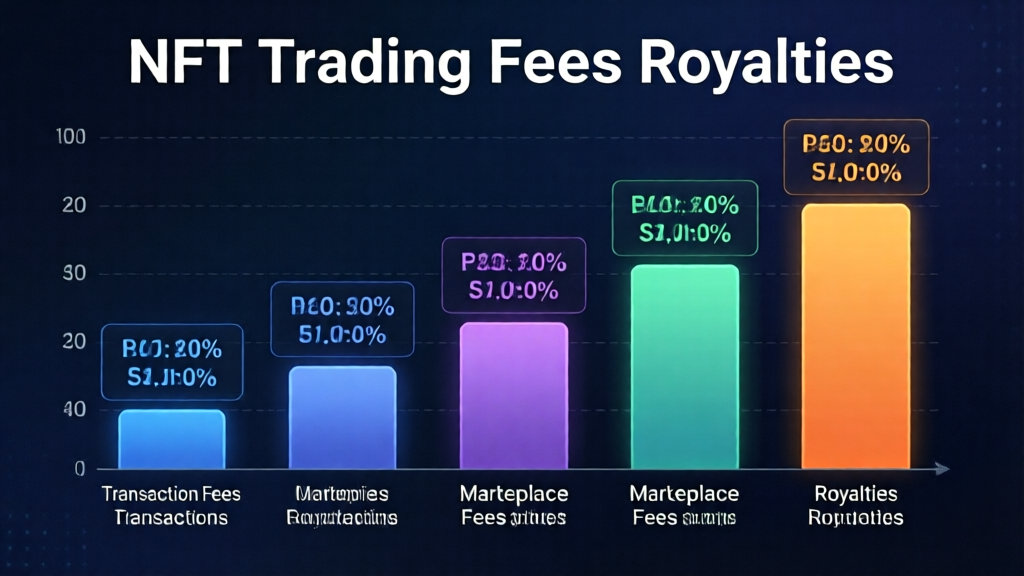
- Marketplace Listing Fees: Some platforms charge a fee to list your NFT.
- Transaction Fees: Most blockchains have a gas fee for executing transactions.
- Royalties: Creators often impose a royalty fee on secondary sales.
Understanding these fees is crucial, particularly when budgeting for your NFT trading endeavors.
Transaction Fees: The Gas Price Dilemma
Gas fees are prevalent on platforms like Ethereum, where blockchain congestion can increase these fees significantly. As per Ethereum’s website, the average gas price in early 2022 was around 80 gwei, which is more than double that of the previous year. If you’re looking to buy or sell an NFT, you should factor these costs into your overall strategy.
Sample Gas Price Analysis
| Date | Average Gas Price (Gwei) |
|---|---|
| January 2022 | 80 |
| December 2021 | 35 |
| January 2021 | 15 |
Marketplace Fees: Choose Wisely
Different NFT marketplaces have varying fee structures. For example, OpenSea typically charges a 2.5% fee on sales. In contrast, platforms like Rarible utilize a governance token model, allowing users to propose changes to fee structures. Evaluate which marketplace aligns best with your trading strategy and cost expectations.
Comparison of Popular NFT Marketplaces
| Marketplace | Fee Structure |
|---|---|
| OpenSea | 2.5% + gas fees |
| Rarible | 2.5% + gas fees |
| Foundation | 15% on creator |
Understanding Royalties in NFT Transactions
Royalties present an additional cost when buying or selling NFTs, as creators typically set a percentage of the sale price that they wish to earn from future transactions involving their work. This ensures that artists continue to benefit from their creations. For instance, a common royalty rate is set around 10%, which means that if an NFT that was initially sold for $100 is resold for $500, the original creator earns $50.
Real-World Example
Consider a digital artist who sells an NFT for $1,000 with a 10% royalty. If the NFT is resold later for $5,000, the artist receives an additional $500. Keeping these potential costs in mind is essential for both buyers and sellers to maximize their profits.
Tips for Reducing NFT Trading Fees
Here’s the catch! While fees can be daunting, there are strategies to reduce them:
- Time Your Transactions: Fees can spike, so track gas prices and execute transactions during low-traffic periods.
- Partake in Fee-less Platforms: Some newer platforms may offer promotional zero-fee trading.
- Bundle Transactions: Instead of conducting several small transactions, bundle them into one to save on cumulative fees.
By employing these strategies, you can effectively lower your overall trading costs.
Real-World Data and Trends in NFT Trading Fees
In terms of market statistics related to trading fees, a study from Dune Analytics revealed that trading fees have been a significant portion of market activity. In 2021, over $2 billion was spent on transaction fees alone across various NFT marketplaces.
.
As we Progress through 2025, fees may continue fluctuating based on network congestion and marketplace policies. Therefore, staying updated with current market trends will position you advantageously.
Final Thoughts
In conclusion, becoming familiar with NFT trading fees is integral to your success in this vibrant market. From understanding transaction costs to comparing marketplace fees and navigating royalties, every aspect plays a crucial role in your trading decisions. By implementing the strategies we discussed, you can optimize your NFT trading experience.
Ultimately, while NFT trading presents unique opportunities, it’s vital to factor in fees to enhance your profitability.
For further information on navigating the complex world of NFTs, be sure to check out more of our articles on our blog at btctokenio.
Author: Dr. Alex Thompson
With over 12 years of experience in blockchain technology and finance, Dr. Alex Thompson has authored 15 peer-reviewed papers on digital assets and has led audits for multiple high-profile NFT projects. He offers insights that are critical for anyone looking to excel in the NFT arena.