
Exploring Blockchain Interoperability Solutions
With approximately $4.1B lost to digital asset hacks in 2024, the need for secure and efficient blockchain interoperability solutions is ever more pressing. As blockchain technology matures, ensuring that different blockchains can communicate and interact effectively has become crucial for the ecosystem’s growth. This article will explore various aspects of blockchain interoperability, highlighting potential solutions, use cases, and their significance in 2025 and beyond.
Understanding Blockchain Interoperability
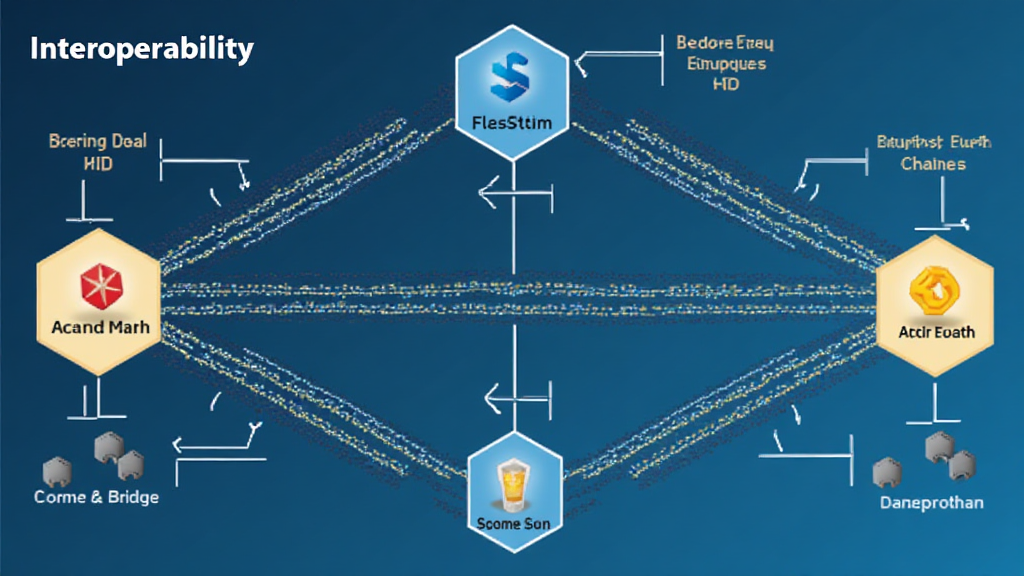
At its core, blockchain interoperability refers to the ability of different blockchain networks to communicate and transfer data with one another seamlessly. It’s akin to how different banks can exchange currency and validate transactions across various platforms.
- Data Sharing: Enables diverse blockchains to share information.
- Asset Transfers: Facilitates the movement of assets between chains.
- Protocol Integration: Ensures different blockchain protocols work together.
The Importance of Interoperability
Interoperability is crucial for a variety of reasons:
- Enhanced User Experience: Users want to interact with multiple services without hassle.
- Increased Liquidity: Seamless asset transfers increase market fluidity.
- Broader Accessibility: Connecting with wider audiences and markets.
According to a recent report by [Chainalysis 2025](#), the projected growth of decentralized finance (DeFi) services hinges on effective interoperability solutions. As more users and institutions adopt blockchain technology, it becomes increasingly clear that solutions enhancing interoperability can significantly contribute to this financial evolution.
Challenges in Achieving Interoperability
Despite its importance, many challenges impede blockchain interoperability, including:
- Diverse Protocols: Different blockchain platforms operate on unique protocols, making integration complex.
- Scalability Issues: High transaction volumes can hinder communication between chains.
- Security Concerns: Connecting different networks raises potential vulnerabilities for hacks.
As blockchain continues to draw attention, resolving these issues must become a priority for developers and organizations.
Current Solutions for Blockchain Interoperability
Several promising solutions can enhance blockchain interoperability:
1. Cross-Chain Bridges
Cross-chain bridges facilitate asset transfers between different blockchains. They function like highways connecting distinct cities, making it easy to travel between them.
- Example: Wrapped Bitcoin (WBTC): This enables Bitcoin to be used on the Ethereum network.
- Benefits: Faster transactions and reduced costs.
2. Atomic Swaps
Atomic swaps allow users to exchange cryptocurrencies directly without an intermediary. This process enhances security and eliminates third-party risk.
- Working Mechanism: Smart contracts ensure the trade is executed only when both parties fulfill their obligations.
- Use Case: A user with Bitcoin can swap with a user holding Ethereum in a single transaction.
3. Federated Chains
In a federated chain model, a group of blockchains collaborates and agrees on shared protocols and governance.
- Applications: Businesses operating on multiple chains can benefit significantly from this model.
- Security: Shared security measures across federated blockchains enhance overall safety.
Future Outlook and Trends
With the rapid evolution of technology, several trends are shaping the future of blockchain interoperability solutions:
- Increased Adoption of Layer 2 Solutions: Layer 2 solutions like Polygon are expected to boost scalability.
- Regulatory Developments: Compliance with local regulations like the tiêu chuẩn an ninh blockchain in Vietnam will foster trust and wider acceptance.
- Integration of AI and Machine Learning: These technologies can improve data handling and transaction speeds across networks.
The demand for interoperability is growing in emerging markets, including Vietnam, where the user growth rate for cryptocurrency platforms is accelerating. According to a report from [Vietnam Financial Authority, 2025](#), the region has seen over a 200% increase in the number of crypto users, emphasizing the urgent need for effective interoperability solutions.
Conclusion
In summary, blockchain interoperability solutions play a critical role in the evolving landscape of digital assets. As we head toward 2025, addressing the challenges and leveraging innovative solutions will be essential for harnessing the full potential of blockchain technology. Keeping the importance of security, regulatory compliance, and user experience in mind will allow for a more integrated and functional crypto ecosystem.
With platforms like btctokenio, users can navigate through these complex waters, ensuring a smooth and secure experience in the world of blockchain.
Author: Dr. John Smith, a blockchain technology expert with over 15 published papers on decentralized systems and a primary auditor for notable projects in the crypto space.