
Ethereum Token Models: Unlocking Their Potential for the Future
As the digital currency landscape continues to evolve, Ethereum has emerged as a pivotal player in the tokenization space. With over $4.1 billion lost to DeFi hacks in 2024, understanding Ethereum token models is crucial for investors and developers alike.
This article will explore the various models of Ethereum tokens, their applications, and their potential impact on the future of blockchain technology, specifically focusing on the Vietnamese market where cryptocurrency adoption is soaring. Let’s delve into the intricacies!
Understanding Ethereum: Beyond Cryptocurrency
Ethereum isn’t just a cryptocurrency; it serves as a decentralized platform that allows developers to build applications using smart contracts. This functionality is a game-changer, paving the way for numerous token models that have varying use cases.
To set the context, let’s consider the growth of the Vietnamese crypto market. According to recent statistics, the number of active cryptocurrency users in Vietnam has experienced a growth rate of over 300% in just two years. This makes Vietnam one of the fastest-growing markets for digital assets globally.
Token Types: A Closer Look
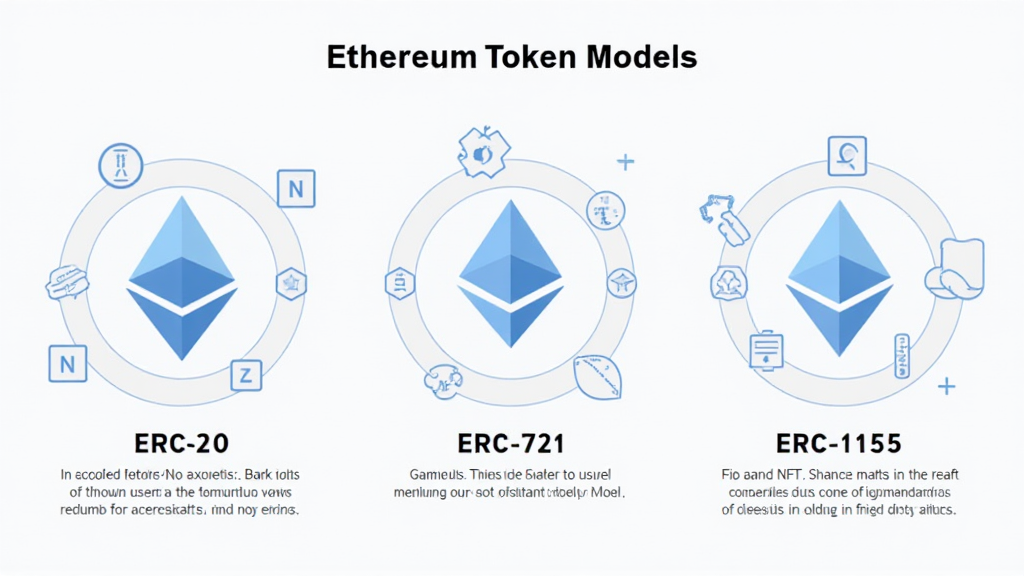
- ERC-20 Tokens: These fungible tokens are widely used for various applications, including fundraising through Initial Coin Offerings (ICOs).
- ERC-721 Tokens: Non-fungible tokens (NFTs) represent unique assets, primarily used in gaming and art.
- ERC-1155 Tokens: A hybrid that allows developers to manage both fungible and non-fungible tokens in a single contract.
Each model presents unique advantages and fits distinct use cases. For instance, ERC-20 tokens are ideal for creating new cryptocurrencies, whereas ERC-721 tokens excel in representing ownership of digital art.
Applications of Ethereum Token Models
In practical terms, Ethereum token models offer remarkable flexibility to developers and businesses. Let’s explore some real-world applications:
DeFi Applications
Decentralized Finance (DeFi) leverages these token models to create financial products and services without traditional intermediaries. For example:
- Liquidity Pools: Users provide tokens to liquidity pools and earn fees.
- Decentralized Exchanges: Platforms like Uniswap utilize ERC-20 tokens for trading.
Just like a bank vault for digital assets, these protocols ensure user funds are securely managed.
Gaming and NFTs
Token models such as ERC-721 have revolutionized the gaming industry by allowing players to own and trade in-game items securely. Games like Axie Infinity have demonstrated significant monetary success, with player earnings reaching upwards of $1 billion in the past year.
Security Concerns with Token Models
Just as innovations open up new avenues, they also introduce potential vulnerabilities. It’s essential to address security concerns related to Ethereum token models:
Consensus Mechanism Vulnerabilities
The shift from Proof of Work to Proof of Stake has raised questions about the security dynamics of Ethereum 2.0.
Like traditional banking, where physical security is paramount, blockchain security relies on consensus mechanisms. Hackers constantly look for weaknesses:
- 51% Attacks: If a single entity controls the majority of the network, it could manipulate transactions.
- Smart Contract Exploits: Flaws in smart contracts can lead to significant financial losses.
In the past, projects like The DAO experienced catastrophic hacks due to security loopholes. The importance of auditing smart contracts cannot be overstated. If you’re wondering how to audit smart contracts, there are numerous services available that specialize in assessing and enhancing security.
Future Potential of Ethereum Token Models
The future of Ethereum token models is promising, particularly as more industries begin to adopt blockchain technology. To understand their potential:
- Interoperability: As various blockchain networks evolve, Ethereum‘s token models can be integrated across platforms, enhancing utility.
- Regulatory Compliance: As governments begin to regulate cryptocurrencies, ERC-20 and ERC-721 tokens can adapt to align with legal frameworks.
- Sustainability: Moving towards greener blockchain solutions could make Ethereum more appealing to eco-conscious investors.
With Ethereum‘s shift to Proof of Stake, energy efficiency is significantly enhanced, addressing one of the major criticisms of blockchain technology.
Conclusion: Embracing the Future of Ethereum Token Models
Understanding Ethereum token models is essential for anyone interested in digital assets. These models are not only shaping the future of finance and gaming but are also pivotal in addressing security challenges.
By leveraging the power of Ethereum, developers and businesses can create innovative solutions to complex issues, paving the way for a more decentralized and secure future.
As we move toward 2025, keeping an eye on the macro trends and growth in markets like Vietnam will be crucial. Keep researching and stay informed!