
Crypto Variance Swaps: A Key Concept for Digital Asset Investors
As the crypto market continues to grow, with over $4.1 billion lost to DeFi hacks in 2024, investors are increasingly seeking innovative tools to manage their risks. Enter crypto variance swaps, a financial instrument designed to mitigate volatility in the realm of digital assets. This article aims to provide a comprehensive understanding of crypto variance swaps, detailing their mechanics, applications, and relevance in both the global and Vietnamese crypto markets.
Understanding Crypto Variance Swaps
Crypto variance swaps function similar to traditional variance swaps used in equity markets. They allow investors to hedge against the volatility of a specific cryptocurrency without holding the asset itself. Instead of taking a long or short position in the asset, investors can trade the variance of its price, allowing them to benefit from fluctuations without exposure to the underlying asset. Here’s how it works:
- Definition: Variance swaps are contracts that allow investors to speculate or hedge on the future volatility of an underlying asset’s price.
- Mechanics: The payout is determined by the difference between the realized variance (actual volatility) and the strike price agreed upon at the contract’s inception.
- Benefits: Investors can benefit from volatility spikes without the need to own the underlying asset, enhancing risk management strategies.
The Mechanics of Variance Swaps
To grasp how crypto variance swaps work, consider this analogy: Think of variance swaps as a form of insurance against price movements in the cryptocurrency market. Just as people buy car insurance to protect against accidents, traders use variance swaps to safeguard their portfolios against unexpected price swings.
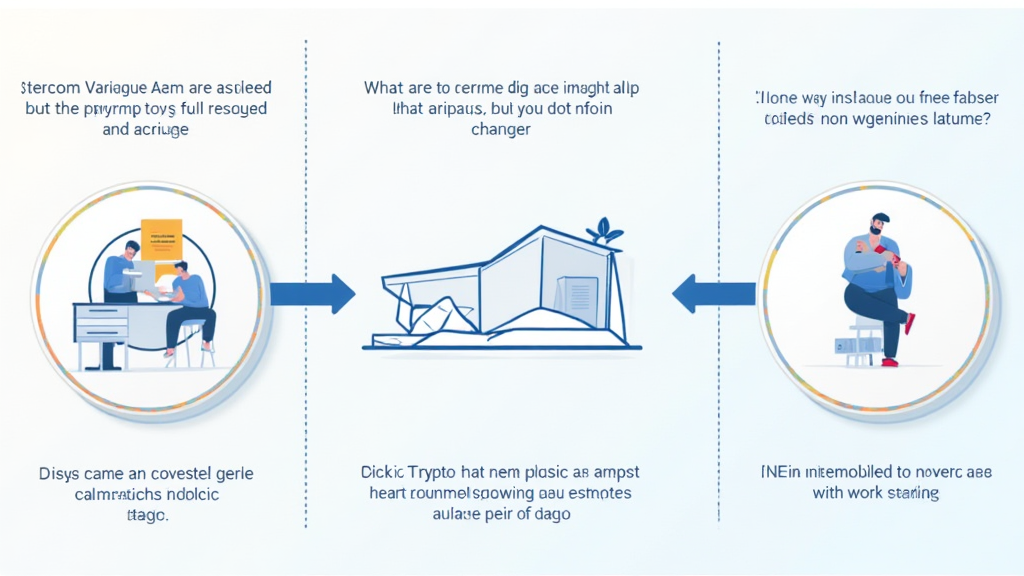
Here’s a simplified breakdown of how these swaps operate in the crypto space:
- Contract initiation: Traders agree on a strike price of variance based on the anticipated volatility of a cryptocurrency, such as Bitcoin (BTC) or Ethereum (ETH).
- Contract duration: The contract has a fixed expiration date, at which point the realized variance is measured.
- Payouts: If the realized variance exceeds the strike price, the investor receives a payment proportional to the difference. If it falls short, they owe the difference.
Applications of Crypto Variance Swaps
In a rapidly evolving market, crypto variance swaps offer valuable applications for various stakeholders, including individual investors, institutional traders, and hedge funds. Here’s how different entities can leverage these tools:
For Individual Investors
- Hedging against volatility: Individual traders can hedge their crypto portfolios against sudden price changes, allowing them to maintain exposure without excessive risk.
- Gaining insights: By analyzing variance swap prices, traders can glean insights into market sentiment and expected volatility, assisting in better-informed trading strategies.
For Institutional Traders
- Portfolio diversification: Institutions often employ variance swaps to diversify their risk exposure across various assets, balancing out their investment strategies.
- Arbitrage opportunities: Large trading desks can exploit discrepancies between implied and realized volatilities across different exchanges.
For Hedge Funds
- Advanced risk management: Hedge funds can use variance swaps as a sophisticated tool to enhance their risk management frameworks.
- Strategic plays: These funds may also design strategies capitalizing on expected volatility changes, attracting significant investment.
The Vietnamese Crypto Market: An Emerging Landscape
With Vietnam experiencing a swift increase in crypto adoption, particularly with a reported 300% growth in blockchain users in 2024, incorporating tools like crypto variance swaps is essential for local investors.
- Local adoption trends: Many Vietnamese are turning to digital assets as a means of wealth preservation amidst economic uncertainty. This trend makes understanding volatility management increasingly crucial.
- Regulatory environment: As the Vietnamese government works on regulatory frameworks for cryptocurrencies, tools like variance swaps can help investors navigate the changing landscape with confidence.
Challenges and Considerations
While variance swaps present valuable opportunities, they are not without challenges:
- Complexity: The mechanics can be intricate, and a sound understanding is crucial for effective implementation.
- Market access: Access to variance swaps may be limited depending on the local regulatory environment, affecting Vietnamese investors.
- Market volatility: Given the volatile nature of cryptocurrencies, sharp price movements can significantly impact variance swap contracts, necessitating vigilant market analysis.
Conclusion
In conclusion, crypto variance swaps offer innovative risk management solutions for investors looking to navigate the volatile landscape of digital assets. As users in Vietnam and globally continue to explore the opportunities presented by crypto variance swaps, understanding their workings, applications, and the associated risks becomes paramount. Whether you aim to hedge your investments or seek to capitalize on volatility, being equipped with the right knowledge can lead to more informed decisions.
As the crypto market evolves, keeping abreast of financial instruments like variance swaps can be a game-changer for digital asset portfolios. For further insights and resources on managing your crypto investments, visit btctokenio.
Author: Dr. Jonathan Blake, a financial expert with over 15 published papers in blockchain technology and a lead auditor for several renowned crypto projects.