

Mastering Technical Analysis in Crypto: A Comprehensive Guide
With over $6 trillion traded daily in the cryptocurrency market, the need for effective technical analysis has never been greater. For both seasoned traders and newcomers, understanding how to analyze price movements is key to unlocking the potential of digital assets. But how can you effectively navigate this complex landscape? This guide will delve into the intricacies of technical analysis, equipping you with the tools you need to make informed decisions.
Understanding Technical Analysis in Crypto
Technical analysis involves studying historical price data and trading volume to forecast future price movements. Unlike fundamental analysis, which focuses on the value of an asset based on external factors like market demand or regulatory updates, technical analysis relies solely on price actions and patterns. One advantage of this method is that market psychology plays a critical role; traders often act in predictable ways, creating patterns that can be analyzed.
The Importance of Charts
Charts are the backbone of technical analysis. A well-structured chart allows traders to visualize price movements easily. For cryptocurrency traders, the following chart types are most popular:
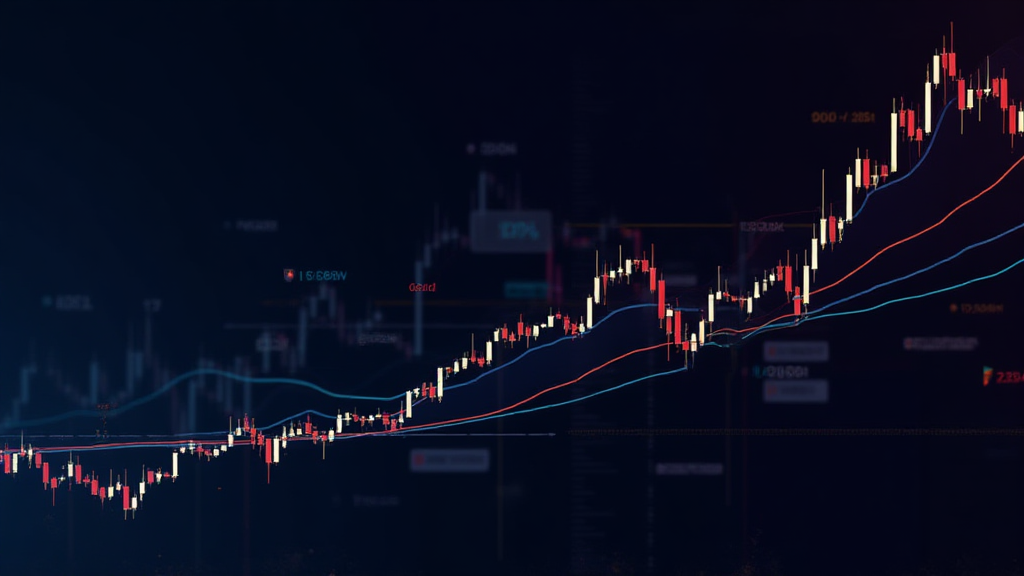
By examining price movements through the lens of these charts, traders can spot key levels of support and resistance crucial for the decision-making process.
Key Technical Analysis Tools
There are several tools and indicators that traders frequently use in their technical analyses. Understanding how to apply these can greatly increase your trading effectiveness.
Moving Averages
One of the most widely used indicators, moving averages help smooth out price data to identify trends over a specific period. Here are two common types of moving averages:
In crypto trading, moving averages can signal potential buy or sell opportunities when prices cross these averages.
Relative Strength Index (RSI)
The RSI is a momentum oscillator that measures the speed and change of price movements. Typically, it ranges from 0 to 100, with readings above 70 indicating overbought conditions and those below 30 suggesting oversold conditions. This indicator is particularly valuable in determining potential price reversals.
Fibonacci Retracement Levels
Using Fibonacci levels can aid traders in identifying potential reversal levels in the market. By drawing lines between significant peak and trough points, Fibonacci retracement levels can help predict where prices might stall or reverse.
Identifying Market Trends
Being able to identify market trends is essential for effective trading. Trends can be:
Recognizing these trends can provide insights into potential points of entry or exit for trades.
Volume Analysis
Volume, or the number of shares traded during a given period, plays a pivotal role in confirming price movements. High volume levels during a price movement can indicate strong interest and validate the trend. Low volume, on the other hand, may suggest a lack of conviction, making the price action less reliable.
Case Study: Crypto Trading in Vietnam
Vietnam has emerged as one of the fastest-growing crypto markets in Southeast Asia, with a growth rate of over 31% in its user base in recent years. The growing interest in cryptocurrencies has made it essential for Vietnamese traders to adopt technical analysis to navigate this increasingly volatile market effectively.
Common Trading Strategies
In the context of Vietnam’s unique market, several trading strategies have gained popularity:
Each of these strategies relies heavily on technical analysis tools to make informed decisions.
Challenges and Considerations
While technical analysis is a powerful tool, it is not without its challenges. Market volatility, unexpected news, and behavioral shifts can lead to unpredictable outcomes. Additionally, over-reliance on technical indicators can lead to false signals. Here are some points to consider:
Let’s break it down – always be responsive to changing market dynamics, and adapt your strategies accordingly.
Conclusion: The Future of Technical Analysis in Crypto
As the crypto landscape continues to evolve, those who master technical analysis will be better positioned to seize opportunities and manage risks. Embrace the evolving tools and strategies, staying informed and adaptable. Whether you are exploring potential altcoins to invest in for 2025 or delving into how to audit smart contracts, being versed in technical analysis will serve as a cornerstone of your trading strategy.
In conclusion, remember that effective technical analysis is not just about the tools you use but how you apply them. Ensure to do your research, remain disciplined, and adapt to market changes. With the right approach, success is within your grasp.
For those looking to amplify their trading skills, utilizing platforms like btctokenio can provide valuable resources and data.
**Dr. Jane Smith**, a leading analyst in the crypto sector, has published over 30 papers on market behavior and risk management, and has led audits for several high-profile blockchain projects.