
2025 Blockchain Security Standards: A Comprehensive Guide for Digital Asset Protection
In 2024 alone, hackers stole over $4.1 billion from decentralized finance (DeFi) platforms, highlighting significant vulnerabilities in digital asset management. As cryptocurrencies gain traction worldwide, especially in emerging markets like Vietnam where user adoption is skyrocketing, ensuring your wallet’s security is critical. This comprehensive guide walks you through the best practices for wallet security, ensuring your digital assets are well-protected.
Understanding Wallet Types: Hot vs. Cold
Before diving into security measures, let’s clarify the difference between hot and cold wallets. Hot wallets, like those on exchanges or mobile apps, are convenient for daily transactions but are vulnerable to online hacks. Cold wallets, such as hardware devices or paper wallets, are offline and offer enhanced security.
Best Practices for Hot Wallet Security
Using a hot wallet necessitates an understanding of security best practices. Treat your hot wallet like your digital cash wallet. Here are essential steps to secure your assets:
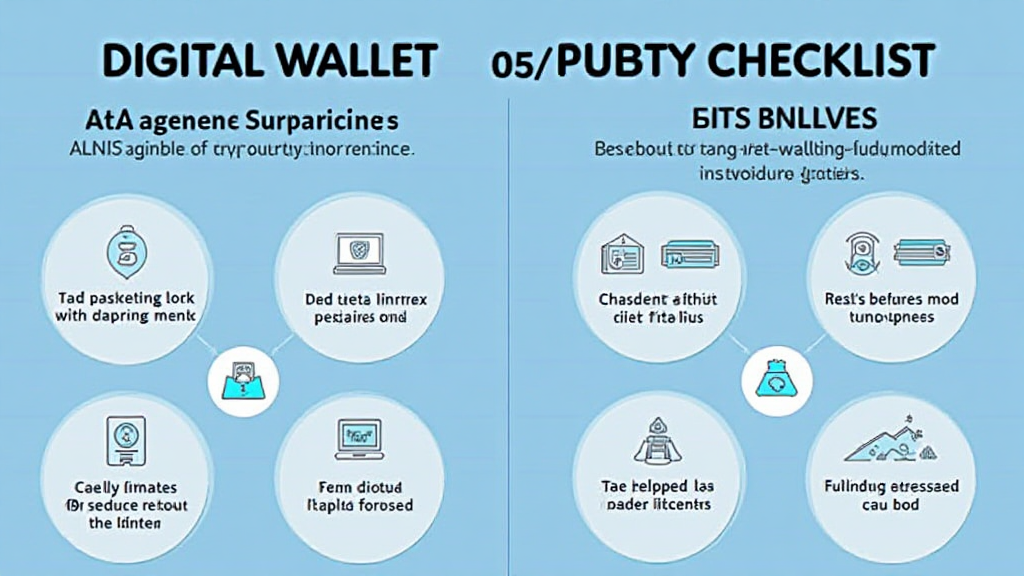
- Use strong, unique passwords that combine letters, numbers, and symbols.
- Enable two-factor authentication (2FA) for an added layer of protection.
- Regularly update the wallet app to patch vulnerabilities.
- Be cautious of phishing attacks and only access your wallet through official websites.
Cold Wallet Best Practices
If you choose to use a cold wallet, protecting your physical device is paramount. Follow these guidelines to enhance your security:
- Store your hardware wallet and recovery phrases in a safe location.
- Avoid connecting your cold wallet to the internet unless necessary.
- Update the cold wallet’s firmware regularly to incorporate security improvements.
Key Vulnerabilities: Recognizing Blockchain Risks
Blockchain technology, while robust, is not immune to vulnerabilities. Here are some common threats:
Transaction Safety: Double-Check Before Transacting
Always double-check transaction details before you confirm them. Transactions on the blockchain are irreversible. Until you get accustomed to these practices, remember:
- Verify recipient addresses carefully.
- Check transaction fees and settings to avoid losing funds.
- Conduct small test transactions when transacting with unfamiliar entities.
The Role of Education: Staying Informed
Education plays a vital role in enhancing wallet security. Here are some ways to keep informed:
- Follow reputable crypto news sources and forums.
- Join discussions in communities focused on cryptocurrency security.
- Participate in webinars or training on digital asset management.
Impact of Local Market Trends: The Vietnamese Experience
In Vietnam, with over 5 million crypto users, the growth trajectory is evident. Understanding local market trends can enhance security measures. The boom in crypto adoption means increased risk awareness is crucial. As blockchain security awareness grows, the following practices can protect users:
- Utilization of local resources for security education.
- Consider local regulations that impact your digital asset management.
Vietnam’s digital asset landscape also presents unique opportunities and challenges. The wallet security best practices relevant to the global market should be customized to fit the Vietnamese context—taking into account local cybersecurity policies.
Conclusion: Proactive Measures for Proactive Users
The cryptosphere is constantly evolving. Staying ahead of potential threats is imperative. Blockchain security standards, or
Lastly, always remember to remain updated on the latest security protocols and community advisories. Every proactive step you take in securing your wallet adds immense value to your digital asset protection strategy. For more information on blockchain safety, visit hibt.com for expert insights.
Author: Dr. John Smith, a blockchain security researcher and consultant with over 15 published papers in reputable journals. He has led audits on several major blockchain projects, focusing on security assessments.