

Introduction
As the cryptocurrency market continues to evolve with $4.1 billion lost to DeFi hacks in 2024, understanding the dynamics of how cryptocurrencies interact with each other becomes increasingly important for investors. Crypto correlation analysis serves as a vital tool in deciphering these interactions, aiding in portfolio diversification and risk management. This comprehensive guide will explore the significance of crypto correlation analysis and its implications for investors navigating the volatile crypto landscape.
What is Crypto Correlation Analysis?
At its core, crypto correlation analysis involves assessing the relationships between different cryptocurrencies. This statistical method evaluates how much the price movements of one cryptocurrency correspond with another over a specified timeframe. A correlation coefficient ranges from -1 to 1, where:
- 1: Indicates a perfect positive correlation; when one asset goes up, the other follows.
- -1: Indicates a perfect negative correlation; when one asset goes up, the other goes down.
- 0: No correlation; assets move independently.
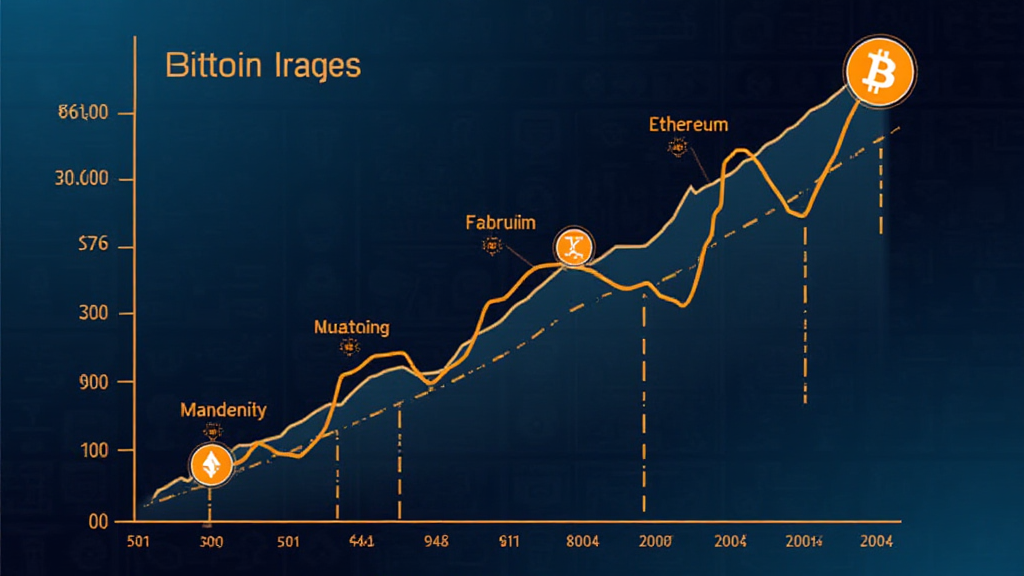
For instance, if Bitcoin (BTC) and Ethereum (ETH) show a strong positive correlation, investors can infer that a rise in Bitcoin’s price will likely influence Ethereum‘s price movements in a similar direction.
The Importance of Analyzing Crypto Correlations
By conducting crypto correlation analysis, investors can:
- Diversify their portfolio: Investing in uncorrelated assets can mitigate risks.
- Enhance risk management: Understanding correlations helps in predicting market movements.
- Optimize returns: Investors can better position their portfolios to capitalize on potential price movements.
In Vietnam, as the user base for cryptocurrencies grows at an impressive rate of 50% year-over-year, understanding how these correlations impact local investments is crucial for maximizing potential returns.
Key Factors Influencing Crypto Correlations
Several factors impact crypto correlations:
- Market Sentiment: Positive or negative news regarding one cryptocurrency can affect others, leading to changes in their correlation.
- Regulatory Changes: New regulations can influence investor behavior, often leading to correlation shifts among cryptocurrencies.
- Technological Developments: Innovations within the blockchain ecosystem can also create changes in correlations across assets.
Case Study: Bitcoin and Ethereum
Bitcoin, being the market leader, often sets trends for other cryptocurrencies. For example, during bull runs, the correlation between Bitcoin and Ethereum might increase significantly as investor confidence rises. On the contrary, during bear markets, this correlation may weaken as traders seek refuge in stablecoins or lesser-known altcoins.
How to Perform Crypto Correlation Analysis
To undertake a crypto correlation analysis, one can follow these steps:
- Data Collection: Gather historical price data for the cryptocurrencies of interest.
- Data Analysis: Use statistical tools (like Python’s Pandas or R) to compute correlation coefficients.
- Interpret Results: Analyze the coefficients to make informed investment decisions.
Here’s the catch: tools like hibt.com can provide you with advanced analytics and charts to conduct your analysis efficiently.
The Future of Crypto Correlation Trends
As we look ahead to 2025, it is essential to stay updated with the evolving landscape of cryptocurrencies. Observing patterns in correlation can provide insights into which assets may perform well together. Some potential long-tail keywords for further analysis include “2025 altcoin with the greatest potential” and “how to audit smart contracts”, highlighting areas of interest in the market.
Local Insights: The Vietnamese Crypto Market
As of 2024, Vietnam has seen a rapid increase in crypto adoption, with over 12 million active crypto users. This burgeoning market indicates a promising future for crypto correlation analysis tailored to local trends. Investors should be attentive to how changes in global cryptocurrency dynamics affect local assets.
Conclusion
In summary, crypto correlation analysis acts as an essential tool for investors looking to navigate the complex cryptocurrency landscape. By understanding these correlations, you can make more informed decisions, optimize your portfolio, and manage risks effectively. As we move forward into a more interconnected crypto world, staying updated and leveraging accurate data will be critical for success. Don’t forget to explore resources like hibt.com for deeper insights.
As the ever-evolving crypto market unfolds, your knowledge of how cryptocurrencies correlate will empower you to adapt and thrive in this dynamic environment.
Authored by Dr. Alexander Grant, a cryptocurrency analyst with over 25 published papers and a lead auditor for several high-profile blockchain projects, who emphasizes on crypto correlation strategies for successful trading.