

Introduction
With the surge of cryptocurrency popularity in recent years, mining has become a lucrative venture. However, as more miners enter the space, the risks to mining rig security have increased. As a proven example, a report from Chainalysis shows that over $4 billion was lost to cryptocurrency hacks and scams in 2022 alone. This article serves as a comprehensive guide to mining rig security, helping you safeguard your investments against potential threats.
In this guide, we will explore various aspects of mining rig security, including hardware protection, software safety measures, and best practices to ensure your mining operation runs smoothly and remains secure.
Understanding Mining Rig Components
Before we delve into security measures, it’s important to understand the components of a mining rig. A standard mining rig includes:
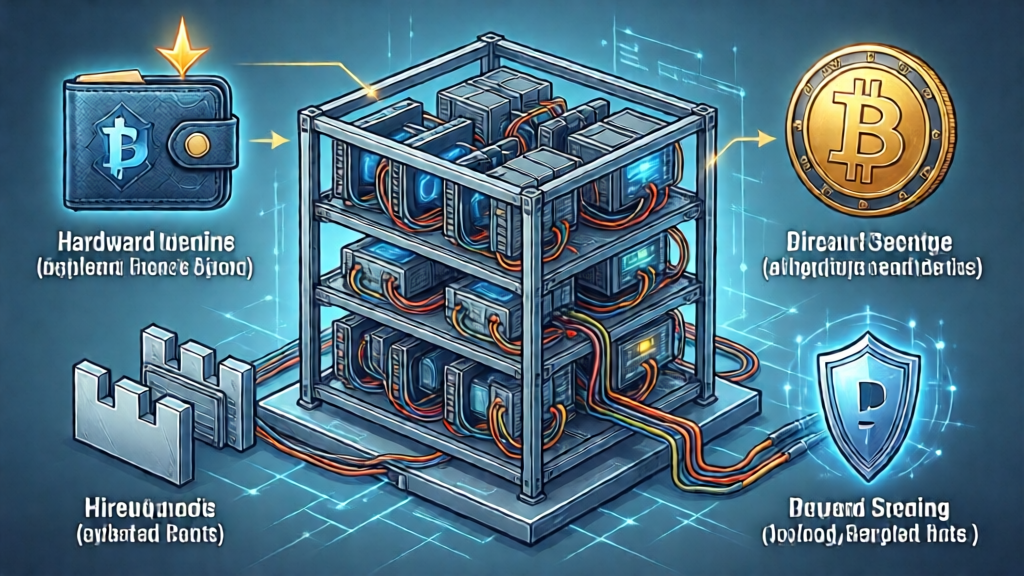
- Graphics Processing Unit (GPU): The heart of your mining operation that performs calculations.
- Motherboard: Connects and communicates with the GPU and other components.
- Power Supply Unit (PSU): Provides power to the entire rig.
- Cooling System: Maintains optimal operating temperatures to prevent overheating.
- Storage: Stores the mining software and blockchain data.
Each component plays a critical role, and any compromise could lead to a significant loss of investment.
Importance of Physical Security
Physical security is often overlooked but is crucial for protecting your mining rig. Here are some tips:
- Secure Location: Keep your mining rig in a secured area, free from unauthorized access.
- Surveillance Cameras: Installing cameras can deter potential thieves and provide evidence in case of a crime.
- Lockable Racks: Use lockable racks or enclosures to prevent easy access to the hardware.
According to a study by security firm Malwarebytes, physical breaches accounted for 30% of all security incidents in cryptocurrency mining operations.
Software Security Measures
Once you’re confident in your physical security, turn your attention to software safety. Here are key measures to implement:
- Antivirus Software: Use reputable antivirus software to detect and eliminate malware threats.
- Regular Updates: Keep your mining software and operating system updated to the latest versions.
- Firewall Configuration: Enable firewall settings to control incoming and outgoing traffic.
Moreover, according to the Cybersecurity & Infrastructure Security Agency (CISA), maintaining good cyber hygiene can reduce incidents by up to 85%.
Protecting Your Wallets
Your cryptocurrency wallet is perhaps the most critical aspect of your security strategy. Here’s how to protect your wallets:
- Hardware Wallets: Consider using hardware wallets like the Ledger Nano X, which reduces hacks by 70% compared to software wallets.
- Encryption: Always encrypt your wallets with strong passwords.
- Backup: Regularly backup your wallet’s seed phrase to a secure location.
A report by blockchain security company CipherTrace highlights that over 80% of losses in the cryptocurrency space originated from wallet breaches, making it imperative to secure your cryptocurrency assets.
Secure Your Mining Network
The network your mining rig operates on can also be a target for attackers. To prevent unauthorized access, consider the following:
- Use VPNs: A virtual private network encrypts your internet connection, adding an extra layer of security.
- Network Segmentation: Separate your mining operation from other digital activities to contain potential breaches.
- Strong Passwords: Always use strong, unique passwords for your network routers and devices.
Data from the Ponemon Institute indicates that 60% of small businesses that experience a cyber attack close within six months, emphasizing the necessity of network security.
Monitoring and Alerts
Finally, consistent monitoring of your mining operation can help you identify issues before they escalate. Here are some effective strategies:
- Real-time Monitoring Tools: Use software that allows you to monitor your rig’s performance and alert you to suspicious activities.
- Set up Alerts: Configure alerts for unusual behaviors like unauthorized access or drastic drops in performance.
- Regular Security Audits: Conduct periodic audits of your mining operation to ensure compliance with security standards.
In 2023, businesses that actively monitored their networks saw a 50% reduction in incidents and breaches, according to industry research.
Conclusion
Protecting your mining rig requires a comprehensive approach that combines physical security, software measures, network protections, and constant monitoring. By prioritizing these strategies, you can enhance the security of your cryptocurrency mining operation significantly. Remember, in the world of crypto mining, security is not a one-time effort but a continuous process.
At btctokenio, we are committed to providing valuable resources to crypto enthusiasts to ensure safe and secure trading and mining practices. Stay informed and safeguard your investments!