

Your Ultimate Solana Layer 2 Guide
As the blockchain landscape evolves, Layer 2 solutions are becoming increasingly vital for enhancing scalability and performance. Solana has emerged as a robust player in this field. The adoption of Solana Layer 2 technology has surged, driven by its low transaction costs and rapid processing times. But what exactly does Solana Layer 2 entail, and how can it benefit users and developers?
The Rise of Solana in the Crypto World
Solana is known for its high throughput and fast transaction speeds, managing over 65,000 transactions per second (TPS) at peak capacity. According to a report from Dune Analytics in 2023, Solana has gained significant traction, with a current market cap exceeding $11 billion. However, like any other network, it faces challenges regarding scalability, which has led to the integration of Layer 2 solutions.
What is Layer 2?
Layer 2 refers to technologies built on top of the main blockchain (Layer 1) that enhance its ability to process transactions without hampering the base layer’s functionality. Think of Layer 2 solutions as highways built above a city to help alleviate traffic congestion.
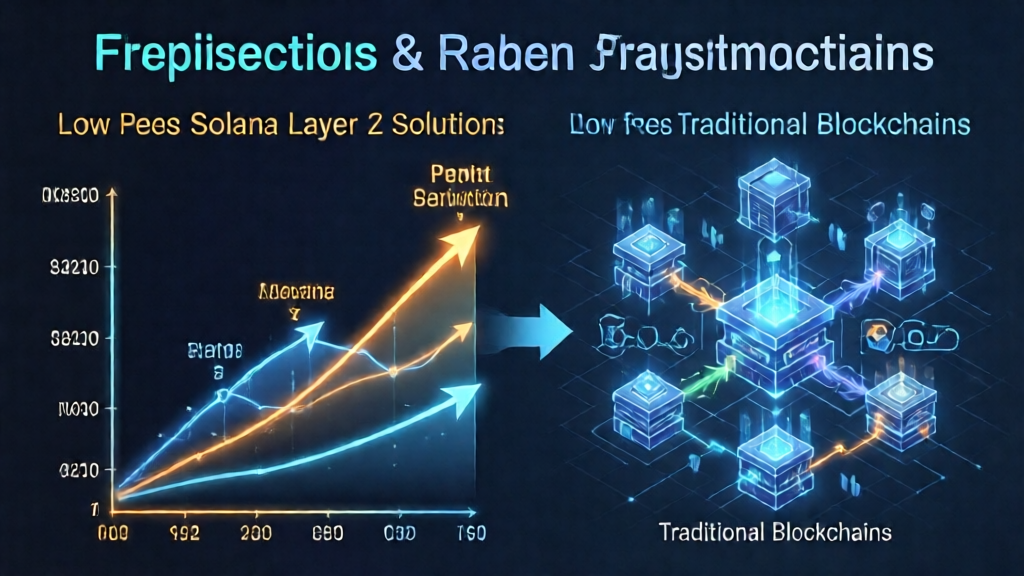
Why Solana Needs Layer 2 Solutions
As Solana’s popularity has increased, so has the number of users and transactions. This uptick can occasionally lead to network congestion, resulting in slower transaction times and higher fees. Implementing Layer 2 solutions helps mitigate these concerns, ensuring that the network remains efficient and user-friendly.
Benefits of Solana Layer 2 Solutions
- Increased Scalability: Layer 2 solutions allow the blockchain to handle more transactions and users simultaneously.
- Lower Costs: With Layer 2, users can enjoy significantly reduced transaction fees, making microtransactions viable.
- Enhanced Speed: Transactions on Layer 2 can execute faster, contributing to a better overall user experience.
- Security: While Layer 2 solutions operate separately, they still benefit from the security of the main Solana blockchain.
Types of Solana Layer 2 Solutions
There are several types of Layer 2 solutions that have been integrated into the Solana ecosystem. Understanding these can help users choose the best option for their needs.
State Channels
State channels enable participants to transact off-chain while ensuring the results are recorded on the blockchain. This significantly reduces the load on the main network.
Sidechains
Sidechains work alongside the main chain, allowing specific transactions to occur on a separate chain while maintaining a connection to the main blockchain. This can help in process-intensive applications without affecting the core network.
Rollups
Rollups bundle multiple transactions into a single transaction, reducing on-chain data and costs. This method can drastically improve the scalability of the Solana blockchain.
Real-World Applications of Solana Layer 2
Several decentralized applications (dApps) and projects have successfully utilized Solana Layer 2 solutions to enhance their services. For instance, Mango Markets harnesses Layer 2 capabilities for trading, significantly improving user experience by allowing for rapid and cost-effective transactions.
Case Study: Serum
Serum, a decentralized exchange, has leveraged Solana Layer 2 technology to offer fast and low-cost trading options, drawing in users and liquidity significantly. Their trading volume peaked at $1.2 billion in April 2023.
Getting Started with Solana Layer 2
If you’re looking to explore Solana Layer 2 solutions, here’s how to begin:
- Research different Layer 2 options available on Solana.
- Utilize wallets and exchanges that support Solana Layer 2 transactions.
- Engage with the community through forums and social media for insights and updates.
The Future of Solana Layer 2
Looking ahead, the expansion of Layer 2 solutions on Solana is crucial for maintaining its competitive edge in the blockchain market. Innovations in Layer 2 technology could lead to enhanced interoperability, better user experiences, and an expanded range of applications.
Market Data and Trends
According to recent market analysis by Glassnode in 2025, the need for Layer 2 systems across all blockchains is projected to grow by 40% as digital transactions continue to increase. Solana must adapt in this landscape to retain developer interest and user engagement.
Conclusion
In this Solana Layer 2 guide, we explored the importance of Layer 2 solutions and their benefits, types, and applications. As Solana continues to evolve, Layer 2 will undoubtedly play a pivotal role in its growth and sustainability. Understanding these elements can empower users and developers alike to leverage this robust ecosystem effectively.
Stay updated on further developments in the Solana ecosystem and consider how Layer 2 solutions can enhance your crypto experience.
For more information, visit btctokenio, your trusted source for all blockchain and cryptocurrency insights.