
Exploring the Benefits of Modular Blockchain Technology
With a staggering $4.1 billion lost to DeFi hacks in 2024, the need for increasingly efficient and secure blockchain solutions is more pressing than ever. As businesses and developers seek robust systems to enhance their digital infrastructure, many are turning to modular blockchain technology. In this article, we will dissect the myriad benefits of modular blockchain systems and how they can transform the way we conduct transactions, manage data, and create decentralized applications.
What is Modular Blockchain?
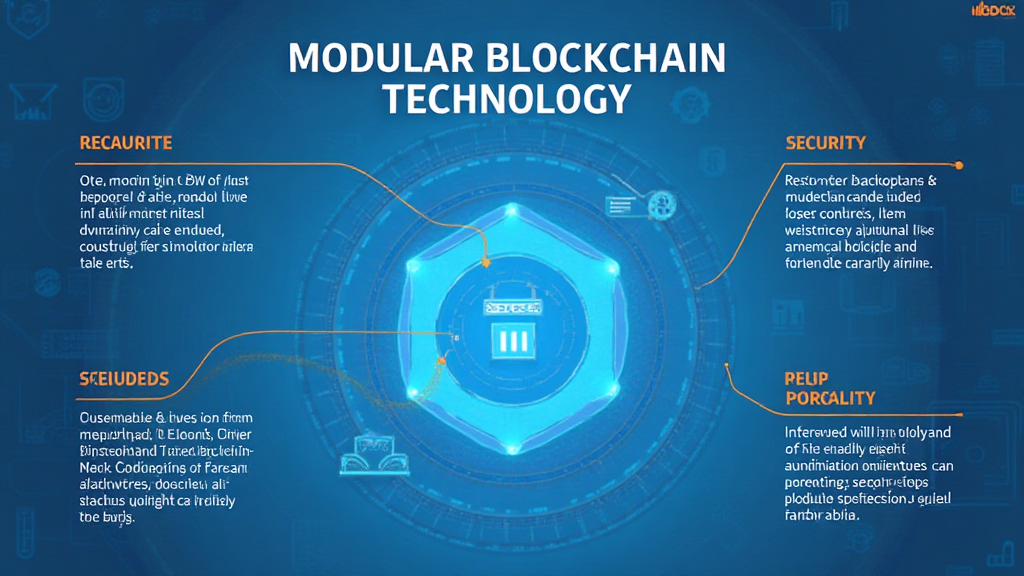
Unlike traditional blockchains that handle all processes in a single layer, modular blockchains separate different functions. Think of it like a warehouse: each section is designed to optimize a specific task, whether that’s storage, dispatch, or sorting. By decentralizing these functions, modular blockchains provide flexibility and scalability, allowing developers to customize and adapt networks to specific needs.
Benefits of Modular Blockchains
- Scalability: Unlike monolithic blockchains, which can become congested as user demand rises, modular systems can expand on individual layers. This makes scaling much simpler and reduces bottleneck risks.
- Interoperability: Modular frameworks can mix and match layers—such as consensus, data availability, and execution—allowing different blockchain networks to communicate seamlessly. This opens the doors for cross-chain applications.
- Specialization: Developers can choose different protocols for various tasks without having to rebuild their systems from scratch, resulting in a faster deployment of applications.
- Enhanced Security: By isolating core functions, modular architectures minimize the risk of vulnerabilities across the entire system, akin to having multiple layers of security in a bank vault.
- Cost Efficiency: By using existing modular components, developers can reduce costs associated with building blockchains from the ground up.
Case Studies: Modular Blockchain Implementation
Countries like Vietnam are witnessing burgeoning interest in blockchain solutions. According to recent reports, the Vietnamese blockchain market is expected to grow by 32% annually. Here’s how modular blockchain is making waves in this region:
Tezos: Leveraging Modular Layering
Tezos implements modularity to enhance its governance and upgrade systems dynamically. This creates a flexible environment, perfect for projects that need swift adaptability without halting their operations.
Polygon: Interoperable Frameworks
Polygon has established itself as a leader by deploying modular frameworks that allow Ethereum-compatible chains to deploy their unique solutions. This significantly improves transaction speeds and lowers fees, a critical advantage in markets with growing user bases like Vietnam.
How Modular Blockchains Interact with Security
One major concern in blockchain technology is security, particularly in smart contracts. Modular designs inherently improve security by compartmentalizing tasks, which means vulnerabilities can be isolated more effectively. For example, if there’s a flaw within a smart contract execution layer, it does not necessarily compromise the overall system.
Building a Security-focused Blockchain in Vietnam
As Vietnam explores potential blockchain applications, the emphasis on security cannot be overstated. Tiêu chuẩn an ninh blockchain is crucial for fostering confidence among users and businesses alike. Modular solutions can implement dedicated security protocols for different layers, reducing risks of loss, akin to having precise alarm systems in various sections of a vault.
Practical Uses of Modular Blockchain Technology
The utility of modular blockchain extends beyond theoretical advantages. Here are some practical applications in various sectors:
- Supply Chain Management: Modular blockchains can monitor goods through specialized layers to ensure the authenticity and streamline the tracking process.
- Finance: Banks can utilize different layers for transaction processing, compliance checks, and customer services, vastly improving efficiency.
- Digital Identity: By isolating identity verification functions, users can manage personal data better and control who accesses their information.
Future Outlook for Modular Blockchain
As blockchain technology continues to evolve, the modular approach seems primed to dominate. In 2025, these systems are projected to attract significant investment, as businesses look for solutions that offer both flexibility and security. Understanding how to audit smart contracts in this modular environment will be crucial, ensuring that every layer performs with optimal security.
Furthermore, the Vietnamese cryptocurrency market is on the rise, making the exploration of modular blockchain technology not only beneficial but essential for ong/”>long-term growth.
Conclusion: Why Transition to Modular Blockchain?
In conclusion, the benefits of modular blockchain technology are profound and multifaceted. From enhanced scalability and flexibility to focused security protocols, the potential for this approach to revolutionize current digital infrastructure is undeniable. As the industry prepares for an influx of innovative applications in the next few years, adopting modular blockchain solutions will provide organizations like BTCTokenIO with a competitive edge.
The key takeaway here is simple: modular blockchain isn’t just a trend; it’s a solution destined to address current limitations while laying the groundwork for future advancements. Organizations willing to transition early will reap significant rewards as blockchain usage continues to expand.
Written by Dr. Linh Nguyen, a leading expert with research published in over 15 blockchain standards papers and a key auditor for various high-profile projects in Southeast Asia.