Introduction
With the urgent need to address climate change, the world is looking for innovative solutions. In 2024 alone, carbon emissions trading markets are projected to exceed ong>$300 billionong>. Central to this effort is the rise of ong>tokenized carbon creditsong>, a concept that marries blockchain technology with environmental sustainability.
But what are tokenized carbon credits, and how do they work? This article will delve into the intricacies of this emerging sector, examining how tokenization can revolutionize carbon credit trading, enhance transparency, and provide greater accessibility to both individuals and businesses.
The Basics of Tokenized Carbon Credits
Tokenized carbon credits are digital representations of carbon credits on a blockchain. Each token represents a specific amount of carbon dioxide (CO2) emissions reduced, removed, or avoided, making it easier to prove and trade these credits.

- ong>What is a Carbon Credit?ong> A carbon credit represents one ton of greenhouse gases (GHG) that is either reduced or removed from the atmosphere.
- ong>Why Tokenization?ong> Tokenizing carbon credits can reduce fraud, ensure the legitimacy of carbon emissions reductions, and streamline the trading process.
- ong>Market Demand:ong> According to onproject.org”>Global Carbon Project, the demand for carbon credits is set to grow exponentially, driven by stricter regulations and corporate responsibility initiatives.
How Tokenization Works
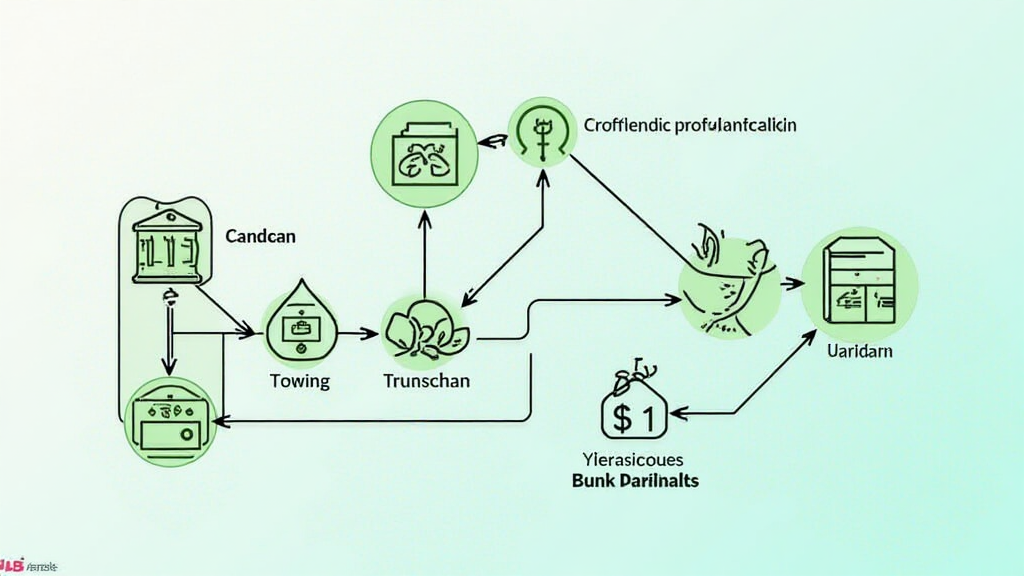
So, how does the process of tokenizing carbon credits actually work? Let’s break it down:
- ong>Data Collection:ong> Projects initiate by measuring their carbon emissions reductions.
- ong>Verification:ong> Third-party organizations verify these reductions to ensure their legitimacy.
- ong>Token Creation:ong> Once verified, these credits are tokenized on a blockchain platform.
- ong>Trading:ong> Users can buy, sell, or trade these tokens on various exchanges.
This creates a secure environment where all transactions are recorded transparently on the blockchain, significantly enhancing trust among participants.
Advantages of Tokenized Carbon Credits
Tokenization offers several key advantages:
- ong>Transparency:ong> Every transaction is publicly recorded, allowing stakeholders to verify the authenticity of credits easily.
- ong>Accessibility:ong> Traditional carbon markets can be complex and cumbersome; tokenization allows greater participation from small businesses and individuals.
- ong>Efficiency:ong> Smart contracts automate the trading processes, reducing the need for intermediaries and saving time.
Challenges in the Adoption of Tokenized Carbon Credits
Despite their potential, several challenges need addressing:
- ong>Regulatory Framework:ong> Each country has different regulations concerning carbon credits. Establishing a unified framework remains a hurdle.
- ong>Market Volatility:ong> As with any emerging market, the prices of tokenized carbon credits can fluctuate significantly.
- ong>Technology Adoption:ong> Many stakeholders still may not understand how blockchain technology works or how to utilize it effectively.
In Vietnam, for instance, despite a high user growth rate projected at ong>30%ong> in the next year, awareness of blockchain applications like tokenized carbon credits remains relatively low.
The Role of Vietnam in the Tokenized Carbon Credit Market
Vietnam is poised to become a significant player in the tokenized carbon credit market. The country is experiencing rapid growth in its tech sector, leading to increased interest and exploration of blockchain technologies.
- ong>Government Initiatives:ong> The Vietnamese government has shown interest in sustainable projects that can leverage technology for environmental benefits.
- ong>Business Opportunities:ong> Companies in Vietnam, especially those engaged in manufacturing, are actively looking for ways to offset their carbon emissions. The tokenization of carbon credits provides a viable solution.
- ong>Public Awareness:ong> Educational campaigns and workshops are necessary to bridge the knowledge gap about the benefits of tokenized carbon credits.
To facilitate this growth, incorporating localized solutions and frameworks can further enhance Vietnam’s position in the global carbon market.
Future Outlook
The future for tokenized carbon credits looks bright:
- ong>Establishing Standards:ong> Collaborative efforts are underway to create standardized practices for tokenization and trading of carbon credits.
- ong>Integration with Other Technologies:ong> Exploring synergies with IoT and AI can lead to better monitoring and reporting of carbon emissions.
- ong>Increased Adoption:ong> As awareness and understanding grow, more businesses and individuals will likely participate in the tokenized carbon credit markets.
Keeping an eye on the growth of this market not only yields financial opportunities but also fosters sustainability efforts worldwide.
Tokenized carbon credits represent a paradigm shift in monetizing environmental stewardship. By leveraging blockchain’s transparency and efficiency, we can create meaningful changes in combating climate change while promoting economic opportunities.
As we advance, embracing tools that enhance market accessibility and integrity remains imperative. Stick around, because the future of sustainability with tokenized carbon credits is not just a trend; it’s a movement towards a greener world. Join btcTokenio in leading this charge.
ong>Author:ong> Dr. Evelyn Hu, a renowned blockchain expert with over 30 published papers in sustainable technologies and a lead auditor for several prominent carbon credit projects.