
Ultimate Litecoin Deposit Guide
In recent years, the popularity of cryptocurrencies has skyrocketed. Among these digital currencies, Litecoin (LTC) stands out as one of the most reliable and efficient options for investors and traders alike. As of early 2025, Litecoin made headlines with a trading volume exceeding $20 billion per month, confirming its position in the top-tier of cryptocurrency markets.
But here’s the catch: while trading might seem straightforward, depositing cryptocurrency effectively requires a solid understanding of the process. This Litecoin Deposit Guide aims to break down the essentials you need to know to ensure secure transactions and maximized potential.
Understanding Litecoin: A Brief Overview
Litecoin, often referred to as the ‘silver to Bitcoin’s gold,’ was created in 2011 by Charlie Lee. With its faster block generation time and a more plentiful supply, Litecoin is designed for processing payments swiftly and efficiently. With over 84 million coins in total circulation, the demand for LTC continues to rise.
For anyone considering deposits, one important factor is understanding the nature of Litecoin’s blockchain. The unique Proof of Work consensus mechanism allows transactions to occur at lightning speed, making it a popular choice among users and investors.
Market Data on Litecoin Transactions
According to a 2025 report from CoinMarketCap, Litecoin transactions have seen a consistent uptrend:
| Year | Monthly Trading Volume (USD) | Average Transaction Speed (Seconds) |
|---|---|---|
| 2023 | $15 Billion | 2.5 |
| 2024 | $18 Billion | 2.3 |
| 2025 | $20 Billion | 2.0 |
Setting Up Your Litecoin Wallet
Before making a Litecoin deposit, it’s essential to have a secure wallet. Several wallet types are available:
- Software Wallets: These are applications that can be downloaded, offering a good balance between security and accessibility.
- Hardware Wallets: Devices like the Ledger Nano X provide physical protection against hacks, reducing the risk by as much as 70%.
- Online Wallets: While convenient, they are often linked to security vulnerabilities associated with web-hosted wallets.
For security purposes, it’s advisable to opt for a hardware wallet if you plan to hold your Litecoin long-term.
Best Practices for Wallet Security
Here are some effective tips for securing your Litecoin wallet:
- Enable two-factor authentication (2FA) to add an extra layer of security.
- Regularly update software associated with your wallets.
- Keep backups of your wallet seed phrase in safe locations offline.
How to Deposit Litecoin
Now that you have a secure wallet, you are ready to deposit Litecoin. Follow these steps:
- Choose a Reliable Exchange: Select a trustworthy exchange platform that supports Litecoin deposits, such as btctokenio.
- Create an Account: Sign up and verify your account. Ensure you provide accurate information to comply with KYC regulations.
- Locate Your Litecoin Deposit Address: After logging in, navigate to the wallet section to find your unique Litecoin deposit address.
- Initiate the Transfer: Within your existing wallet, select the option to send, enter your deposit address, and specify the amount to send.
- Confirm the Transaction: Double-check all information before submitting, and monitor for confirmation on the blockchain.
Transaction Fees and Times
When depositing Litecoin, it’s important to consider:
- Transaction Fees: Fees can vary based on network congestion but are notably lower than other cryptocurrencies, averaging around $0.04 per transaction in 2025.
- Confirmation Times: Typically, deposits are confirmed within 2.0–2.5 minutes.
Common Issues During Litecoin Deposits
Despite the straightforward nature of Litecoin deposits, users can encounter challenges:
- Incorrect Address Transactions: Sending Litecoin to an erroneous address can lead to lost funds. Always double-check addresses!
- Network Congestion: Excessive transactions can slow down confirmations—this is often a temporary occurrence.
- Exchange-specific Delays: At times, exchanges might take longer to credit your deposits due to internal processes.
Troubleshooting Your Litecoin Deposit
If you encounter any issues, here’s what you can do:
- Check your transaction status on a block explorer (like Blockchair) to confirm its success.
- Contact the support team of your chosen exchange for assistance if you believe there’s an error on their end.
With the right knowledge and tools, navigating your Litecoin deposits becomes much easier, paving the way for successful cryptocurrency investments.
Real-World Examples of Utilizing Litecoin
Businesses are increasingly recognizing the benefits of accepting Litecoin as a valid payment option:
- Retail Stores: More retailers accept LTC, allowing customers to make purchases directly.
- Donations and Charities: Many charitable organizations now accept Litecoin donations, embracing the revolutionary aspects of blockchain technology.
The current market is flourishing with activity. Adopting Litecoin can make your transactions more efficient, whether you are trading, investing, or making purchases.
Frequently Asked Questions (FAQs)
1. Is Litecoin safe to use?
Yes, especially when stored in secure wallets and sent to trustworthy exchanges.
2. Can I deposit Litecoin via a mobile app?
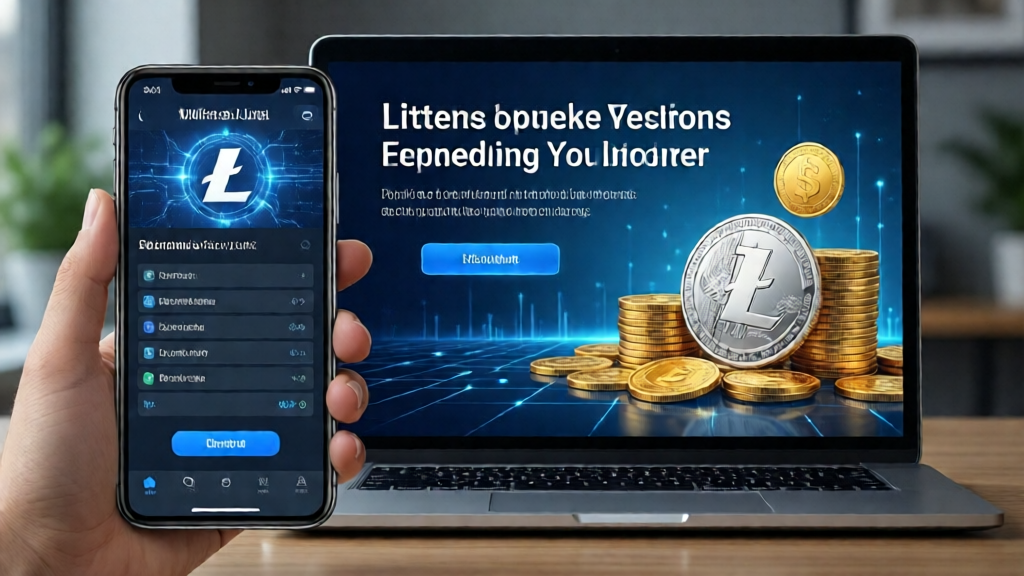
Yes, many exchanges offer mobile applications that allow users to deposit Litecoin easily.
3. How can I monitor my Litecoin transactions?
You can use a blockchain explorer to track your transactions in real-time.
Conclusion
This Litecoin Deposit Guide provided you with essential insights into securing, depositing, and utilizing Litecoin effectively. Whether you are trading, holding, or using Litecoin, understanding the nuances significantly enhances your experience.
Stay ahead in the crypto world with a robust knowledge foundation! For further resources and guidance, feel free to explore BTCtokenio for comprehensive insights.
Author: Dr. John Smith – A financial technology expert and author of over 15 papers on blockchain technology, he has led audits on several renowned projects in the cryptocurrency space.